Circulation Booster Devices & Natural Pain Relief Guides
Best Leg Circulation & Compression Machine Guide: Natural Vascular Health Tips
If you're dealing with heavy, tired legs after a long day in New York, or your ankles swell up by evening, I've been exactly there. I'm Alex — I used to be pretty active, ran regularly, still keep up with training, but somewhere along the way, between a demanding job and years of commuting, my legs started telling a different story than the rest of me.
If that sounds familiar, trust what your body's telling you. I'm still working through this myself, testing things, adjusting, writing these pages as I go — not from some finished, fixed place, but from the middle of it, for people dealing with the same thing.
Living in Queens, climbing stairs with grocery bags, standing on crowded trains, sitting at a desk for hours — all of that took a toll on my leg circulation. A leg circulation machine ended up being one of the most useful tools I found. After testing several options, most of them underrated or honestly kind of misunderstood, I figured out what actually helps blood flow in the legs and feet without wasting money on things that don't do much.
Important: I'm not a doctor, and none of this is medical advice — it's my own experience. If you have high blood pressure, diabetes, or any vascular condition, talk to your physician before using any device or making changes. What follows is what I went through trying to improve my leg circulation naturally at home.
Quick Summary — NYC Fast-Check:
Best for swelling: Leg Compression Machine
Best for tired muscles: Leg Circulation Massager (EMS)
Best for office workers: Under-desk Foot Circulation Machine
Common Symptoms and Why You Need a Leg Circulation Massager
When blood flow in your legs slows down, you feel it — a heavy, achy sensation, swelling around the ankles, cold feet, sometimes cramps at night. A quality leg circulation machine helps by gently stimulating the calf muscles, which act like a natural pump pushing blood back up toward your heart.
One thing worth saying clearly: a sudden, sharp pain in the calf can be a warning sign for something serious, including a possible clot. Don't brush that off — get it checked by a doctor right away. I was genuinely scared of this at one point, and thankfully in my case it never turned out to be that.
I started with a simple leg circulation massager and noticed my legs felt lighter after a couple of weeks of regular use. Later I added a leg compression machine for circulation, and a foot circulation machine for the days my ankles were more swollen than usual. Together, they cut down on that constant tired feeling I'd just gotten used to accepting as normal.
Tired or swollen legs aren't only a "legs problem" — they're often where a bigger circulation issue happens to show up first. The legs are the signal, not necessarily the whole story.
Choosing the Best Leg Circulation Machine for Your Daily Routine
Your calves are sometimes called the body's "second heart." When you walk, the contraction and release of the calf muscle work a lot like a heartbeat — pushing blood upward against gravity. That's exactly why these devices work: they mimic that same pumping action when you're stuck sitting or standing still for hours.
It's not only about blood flow, either — joints and connective tissue benefit from the heat and vibration these devices produce, especially in areas where circulation has been sluggish for a while and nutrients aren't reaching tissue the way they should.
Here's what I found after months of trying different devices:
The Classic Leg Circulation Machine & Massager
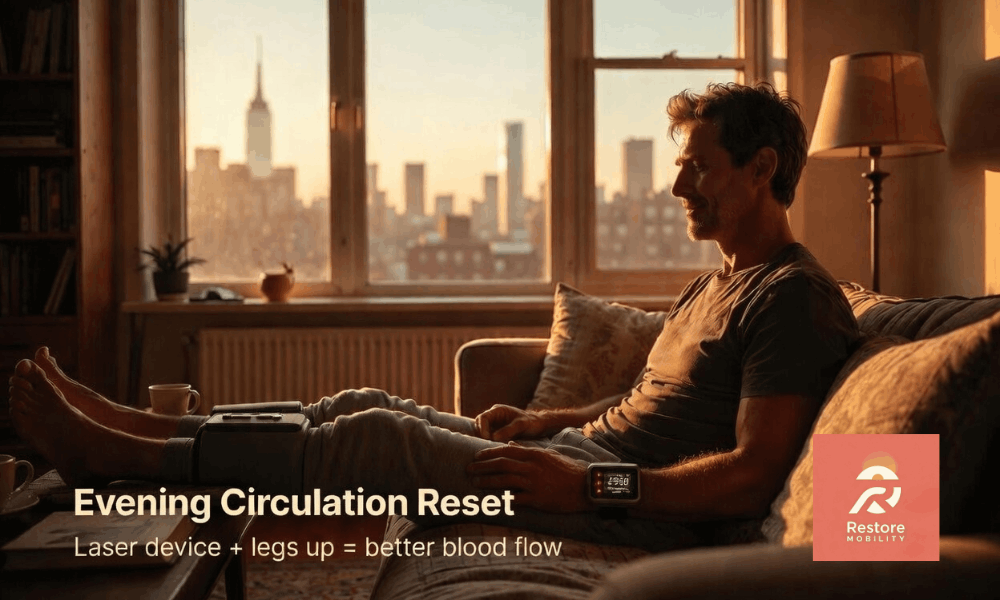
This is the simplest category — a device that wraps around the calf and alternates gentle vibration or EMS pulses to mimic the natural muscle pump. I use mine most evenings, usually while catching up on messages or just sitting down after a long day. It's not dramatic — it's the kind of thing that works because you'll actually keep doing it.
Leg Compression Machine for Circulation & Recovery
These wrap around the leg and use air pressure to squeeze gently from the foot upward, section by section. Out of everything I tried, this is the one that made the most visible difference for swelling specifically — my ankles noticeably looked less puffy after a few consistent weeks.
Blood Circulation Machine for Legs and Feet (Full Coverage)
These are the broader units that cover the whole lower leg instead of just the calf or foot. The better ones let you adjust intensity, so you can start gently and build up as your body gets used to it — useful if you're new to this and don't want to overdo it on day one.
Targeted Foot Circulation Machine for Swollen Ankles
If your problem is mostly in the feet and ankles rather than the whole leg, a smaller, foot-focused unit does the job without the bulk of a full leg wrap. I keep one under my desk — it's the one device on this list I can actually use while working instead of only at the end of the day.
Finding the Best Leg Massager for Circulation
Many devices combine compression with heat or vibration. The best one isn't necessarily the most expensive — it's the one you'll actually use four or five times a week. When I was looking for the best leg massager for circulation, I realized the real question wasn't the price tag; it was how closely the device mimicked that natural muscle-pump motion.
Natural Ways I Combined with Devices for Better Results
The leg circulation machine worked better once I paired it with a few habits I stuck with:
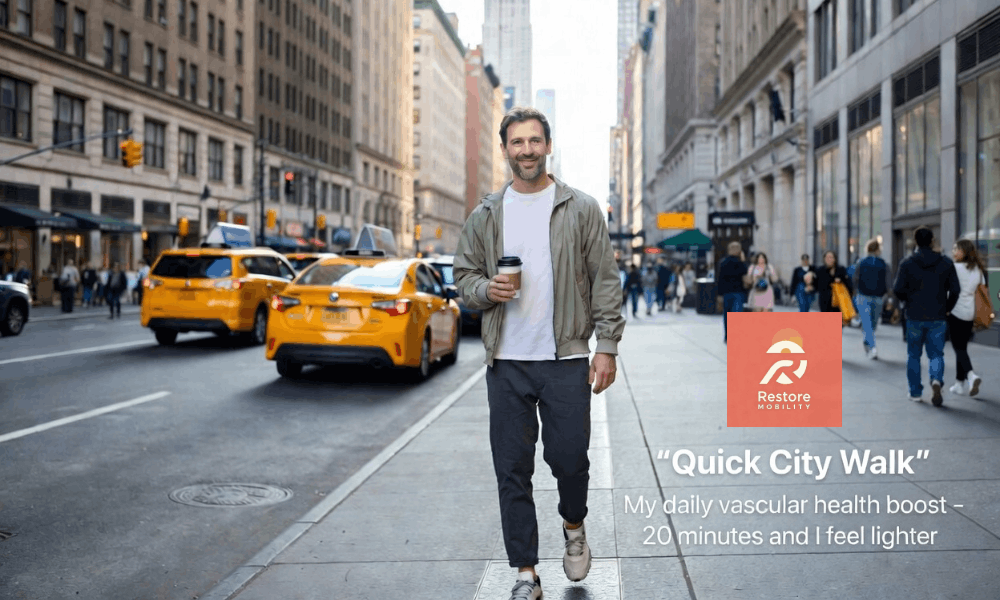
Walking 20-25 minutes most mornings, even if it was just around the block. The natural muscle pump from walking complements what the machine does.
Elevating my legs for 10-15 minutes in the evening, which helped with swelling and fluid buildup.
Staying hydrated made a bigger difference than I expected — thicker blood moves slower.
Adding more beets, berries, spinach, and fatty fish to meals, since they support healthy blood vessels and venous return.
Not sitting for hours straight. Every hour, I'd get up, do a few calf raises, or walk around the apartment for a minute.
None of these were dramatic changes on their own. Together, alongside one of the leg circulation machine models I settled on, they added up to a steady, noticeable improvement in how my legs felt by the end of a full day in the city.

Deepen Your Knowledge: Recommended Reading


My Realistic Daily Routine for Leg Circulation
This is the routine I actually stuck with, not an idealized version:
Morning: 20-30 minute walk plus plenty of water. Jogging is better if your body's up for it — but if that's too much right now, walking alone is genuinely enough to start.
Midday: Stand and move every hour, even a short lap around the office or apartment. A former coworker once told me, half-joking, "I actually need to learn how to sit at a desk properly — it's basically a science." He wasn't wrong. Sitting still for hours is its own kind of strain on circulation.
Evening: 20-30 minutes on the leg circulation machine or leg compression machine while winding down.
Night: Elevate your legs for 10 minutes, plus a light upward massage.
Altogether, it's under an hour a day, spread out — nothing extreme. But doing it consistently is what actually reduced the heavy-leg feeling I used to live with. Most people who give up on these devices do it in the first two weeks, before consistency has a chance to show results. That's the real reason so many circulation massagers end up forgotten in a closet.
FAQ — Real Questions I Had About Leg Circulation Machines
How long until a blood circulation machine for legs and feet shows results? I noticed lighter legs within 2-3 weeks. A visible reduction in leg swelling and better overall energy took closer to 4-8 weeks of regular use in my case.
Which is better — a leg circulation machine or a leg compression machine? For general tiredness and sluggish blood flow, the EMS-style leg circulation massager worked best for me. For visible swelling specifically, the leg compression machine gave faster relief.
Can I improve leg circulation without any device? Yes — walking, elevation, and hydration genuinely help. A leg circulation machine just speeds things up and makes it easier on the busy days when a proper walk isn't realistic.
Are these devices safe for daily use? Most quality leg circulation machines and compression devices are safe for daily use as directed. If you have a pacemaker or any serious medical condition, check with your doctor first.
Your Next Step Toward Better Leg Circulation
If heavy legs, swollen ankles, or poor circulation have been dragging you down, starting with a solid leg circulation machine combined with a few consistent daily habits can genuinely make a difference — it did for me.
If you want to see the specific devices I tested and what actually gave me the best results for improving blood flow in the legs and feet, the circulation support section of the shop has what I kept using. I only keep the ones that made a noticeable difference — for me, and for a few friends dealing with the same thing.
Take care of yourself out there. Your legs carry you through this city every day — they deserve a little support back.
Your Next Step Toward Better Leg Circulation
If heavy legs, swollen ankles, or poor circulation have been dragging you down, starting with a solid leg circulation machine combined with a few consistent daily habits can genuinely make a difference — it did for me.
If you want to see the specific devices I tested and what actually gave me the best results for improving blood flow in the legs and feet, the circulation support section of the shop has what I kept using. I only keep the ones that made a noticeable difference — for me, and for a few friends dealing with the same thing.
Take care of yourself out there. Your legs carry you through this city every day — they deserve a little support back.
Want to Go Deeper on Leg Circulation?
If you're serious about fixing heavy legs, poor circulation, and cranky joints, here are two guides I wrote based on what's actually worked for me and what I still use every week:
My full guide on the best leg massager for circulation — walks through the exact steps and devices I tested when I was looking for real relief.
How to set up a leg compression machine for circulation — what worked, what didn't, and the results I actually saw.
These go much deeper into the practical side than I have room for here.
If you're ready to move from reading to actually doing something: the shop only has the devices I personally tested, and that gave me real results with my own leg circulation machine, leg circulation massager, and leg compression machine setup. It's not a huge list — just the ones that worked for a regular guy from Queens dealing with the same thing you probably are.
Recommended Devices in Our Categories

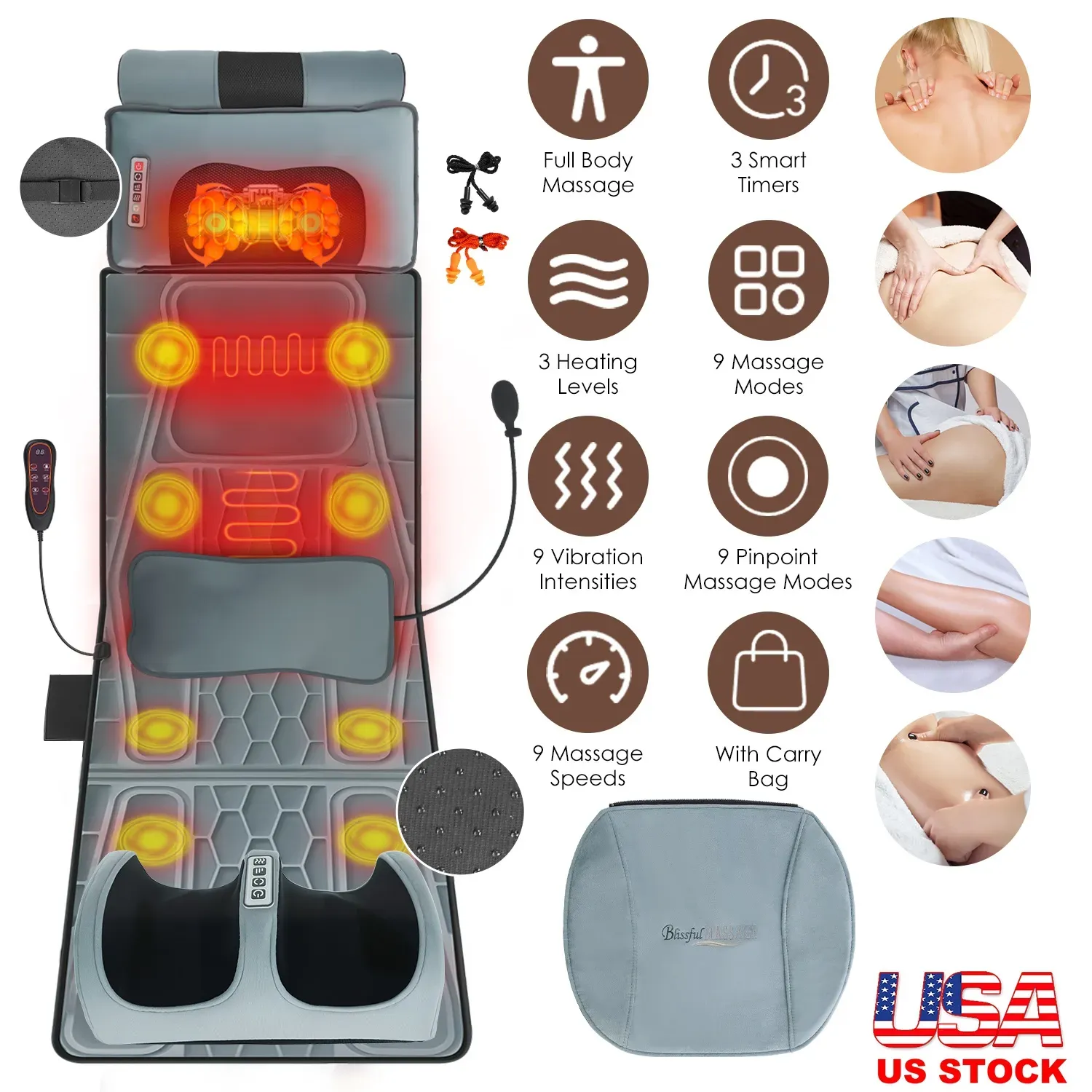
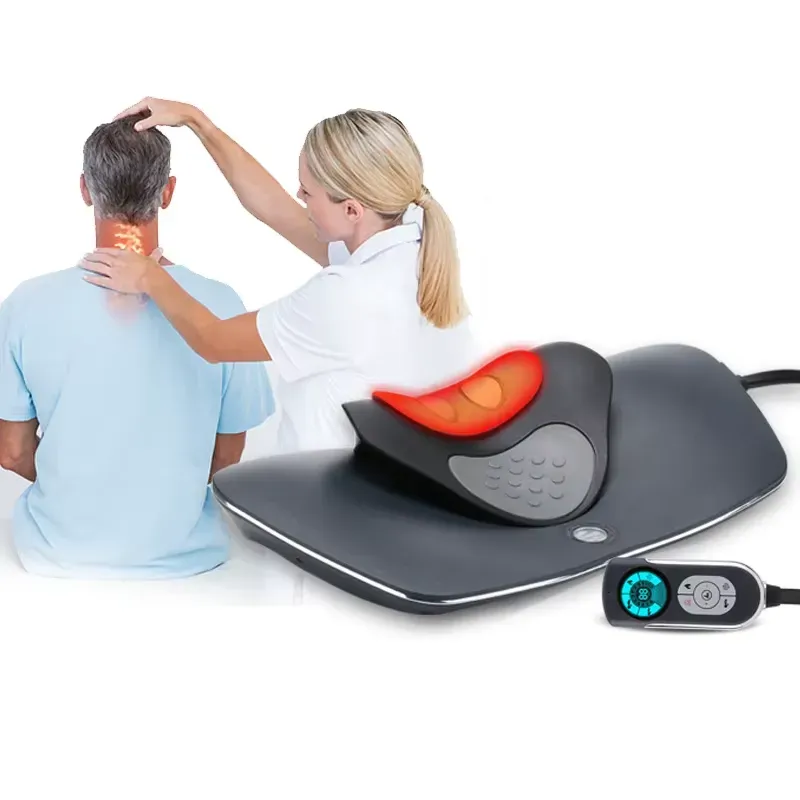
The Vascular Health Improvement Knowledge Hub: Explore All Guides
Category: Vascular Health Improvement



Contact: info@restoremobility.org
I am not a doctor or licensed medical professional. The information and experiences shared on this website are for educational and informational purposes only. Nothing on RestoreMobility.org is intended to diagnose, treat, cure, or prevent any disease or medical condition.
All devices (red light therapy, TENS/EMS units, wrist laser devices, circulation massagers, etc.) and suggestions are based on my personal experience and general research. Results vary from person to person. Always consult with a qualified healthcare provider before using any wellness device or starting a new health routine — especially if you have high blood pressure, diabetes, heart conditions, pacemakers, implants, are pregnant, or have had recent surgery.
© Created by Restore Mobility