Circulation Booster Devices & Natural Pain Relief Guides
Neck & Back Pain Solutions: Why You Need a Neck Relief Device and Lumbar Traction Device at Home
If you're reading this hunched over your laptop in a tiny Brooklyn apartment, or stuck on the 6 train with your neck screaming after another 10-hour day, I get it. I've been there. That constant ache between the shoulders, the headache that hits like clockwork around 3 PM, the way your lower back locks up the second you finally stand up — that's not just "getting older." It's what happens when you spend your life staring down at screens in a city that never slows down.
It's not only about posture, either — it's about how you treat your spine day to day, whether you're active or not. Carrying a heavy bag without thinking about how it pulls your head forward, lifting weights without proper alignment, even skipping meals and running on poor digestion — all of it adds tension somewhere in the chain that eventually shows up as neck or back pain. A lot of what causes this stuff happens in places you'd never think to look. That's what I try to cover here — the parts of the pain loop that aren't obvious.
I used to think it was just normal, being achy all the time. Pop an Advil, stretch for five minutes, call it a day. It wasn't normal — I just hadn't found what actually worked yet. After wasting real money on chiropractor visits and a "fancy" standing desk that made things worse, not better, I figured out what actually helps regular people dealing with regular desk jobs. No guru talk, no $300 gadget gathering dust in a drawer — just a solid neck relief device and a few habits that fit into an actual New York schedule.
Finding the right neck relief device shouldn't be some kind of luxury.
Quick Guide to Spine Relief:
Best for headaches: Neck Stretcher (cervical traction)
Best for commuters: Neck Decompression Device (portable)
Best for lower back stiffness: Lumbar Traction Device

The Science of Tech Neck: Why a Neck Stretcher Is Only Half the Story
Your spine is built for movement, not nine hours of forward-head posture answering Slack messages. Every inch your head juts forward adds roughly 10 extra pounds of pressure on your neck muscles. Do that for years, and those muscles get stuck in a constant low-grade "guard" mode — tight, inflamed, and starved of the blood flow they need to actually recover.
Your head weighs about as much as a bowling ball. Held directly over your spine, that weight is manageable — your bones and ligaments are built for it. Tilted forward even a little, for hours a day, every day, that same weight turns into a constant strain on your cervical vertebrae. Small angle, big difference, repeated thousands of times a week.
This is where a neck stretcher earns its place. Most people assume they need a massage, but the real issue is structural — you need to restore the natural curve of your cervical spine through cervical traction. If you've been "text-necking" for a decade, the muscles supporting your head have genuinely forgotten how to do it on their own. Ten minutes a day on a neck stretcher can start to reverse that flattening — the same flattening behind a lot of those brutal tension headaches.
Deepen Your Knowledge: Recommended Reading


The NYC Survival Kit: Using a Neck Decompression Device on the Go
In a city where you're always rushing — subway stairs, packed elevators, tiny desks crammed into open-plan offices — this kind of pain builds fast.
I've talked to delivery guys in Queens, teachers in the Bronx, and analysts in Midtown who all describe the same pattern: it starts subtly and quietly wrecks your weekend by Friday.
For anyone without space for a full PT setup in a studio apartment, a portable neck decompression device is genuinely useful. It fits in a backpack and gives you active traction on demand. Unlike a static pillow, a neck decompression device lets you control the amount of lift, gently separating the vertebrae to take pressure off pinched nerves. It's the easiest way to reset during a two-hour meeting that won't end.
Deep Tissue Relief: Choosing the Right Neck Relief Device for Chronic Pain
When the pain runs deep — the kind that feels like a hot needle under your shoulder blade — a quick stretch won't cut it. You need a dedicated neck relief device. In my experience, the best ones combine heat with cervical traction: heat loosens the fascia, and traction creates the space blood flow needs to return to the area.
I tested a handful of these, from vibrating collars to weighted wraps. What worked best was a neck relief device that properly supports the base of the skull — not just comfort, but real spinal decompression. Get that alignment right, and you can genuinely feel some of the mental fog lift, simply because blood flow to your head isn't being restricted by tight muscles anymore.
Lower Back Lockdown: The Power of a Lumbar Traction Device
You know the feeling — you sit for four hours, then stand up and shuffle like you've aged thirty years for the first ten steps. That's spinal compression. Your lumbar discs get squashed like old sponges over the course of a day.
Here's something worth trying: measure your height in the morning, then again in the evening. Most people are measurably shorter by night — your spine actually compresses over the course of a normal day. A lumbar traction device works against that, and it's worth building into a routine even if you're active or athletic, not just for desk workers.
A lumbar traction device isn't just for clinical settings anymore — it's one of the most effective tools I've found for ongoing lower back strain from sitting all day. Unlike a soft cushion, it uses your own body weight or mechanical force to stretch the lower spine, creating negative pressure in the discs that can help pull bulging material back into place and let the area rehydrate. If you're dealing with sciatica or a deep, dull ache low in your back, fifteen minutes on a lumbar traction device after work makes a real difference — I've fallen asleep using mine more than once, which tells you how relaxing it actually is.
Daily Maintenance: Why You Still Need a Lower Back Stretcher at Home
While traction handles the deep stuff, a lower back stretcher is your daily maintenance tool — think of it as a more targeted version of a foam roller for your spine. Mine sits right next to my bed.
A good multi-level lower back stretcher opens up the thoracic spine — the middle part of your back that tends to curl forward like a turtle shell after years of desk work. In a city where everyone's a little "closed off" — shoulders forward, head down — a lower back stretcher forces your chest open and your spine to extend in the opposite direction for a change.
It's a simple, almost boring habit, but it strengthens exactly what desk life wears down. I do mine while the coffee brews — no extra time needs to be carved out.
Daily Spine Alignment Techniques for the Hustle
You don't need a gym membership. These fit into the time it takes to wait for the train or your morning coffee:
The Morning Reset: Five minutes on your neck stretcher before you even check your phone. Start the day with alignment, not compression.
Midday Quick Fix: If you work hybrid or remote, keep a neck decompression device in your desk drawer. The moment you feel a headache building, give it three minutes.
The Evening Decompression: End the day on your lumbar traction device — it undoes a good chunk of the damage from a full day on concrete and office chairs.

Engineer's Verdict
Treat these as three separate tools solving three separate problems, not one device doing everything. A neck stretcher is your daily, low-effort maintenance — meant to be used before pain shows up, not just after.
A neck decompression device is your on-the-go emergency reset for when a long meeting or a bad night's sleep catches up with you mid-day. A lumbar traction device is the heavy-duty tool for cumulative spinal compression — it needs consistency, not a one-time session, to actually change anything.
Buying just one and expecting it to cover the other two jobs is the most common way people give up on all of this within a month.
Budgeting for Pain Relief: What Actually Works
I spent around $1,200 on chiropractor visits that gave me maybe two days of relief each time. The tools below cost a fraction of that and keep working indefinitely.
Neck heat & traction ($50-$150): A solid neck relief device is where I noticed the biggest jump in day-to-day comfort.
The portable option ($30-$60): A neck decompression device for the office and for travel.
The heavy hitter ($100-$250): A professional-grade lumbar traction device.
This isn't really an expense — it's closer to an investment in being able to keep working and living in this city without being miserable about it. You'll find the right option for your situation in the categories at the bottom of this page.
The "Real Talk" Medical Warning: Don't Ignore the Red Flags
I'm sharing what worked for me, not medical advice — I'm not a doctor, and there's a real "danger zone" worth knowing about.
Inside the cervical spine, a bulging or herniated disc can put mechanical pressure directly on nerves, sometimes leading to numbness in your hands or arms. The same thing can happen at the lumbar level, often showing up as sciatica shooting down a leg.
Pay attention to sudden "locking." If your neck or back suddenly locks up and you genuinely can't move, that's not something to stretch your way through — get seen by a doctor right away. A sudden, severe lock is a different situation than everyday stiffness, and it shouldn't be treated the same way.
If pain is chronic rather than occasional, an MRI is worth asking your doctor about — it tells you whether you're dealing with a simple muscle knot or something structural before you start any device-based routine seriously.
Once you actually know what you're dealing with, using a neck relief device or lumbar traction device makes a lot more sense, and you can use it with real confidence instead of guessing.
Ready to Fix Your Desk Life?

You don't need to overhaul everything today. Start with one neck relief device and one daily habit. Give it two weeks, and you'll feel the difference. Your back doesn't have to keep paying for the hustle.
For the full story of how bad my own tech neck got, and what actually fixed it without spending thousands on physical therapy, read my guide on why tech neck won't go away on its own.
Got a question about what worked for you? Drop it in the comments — I read every one.
Stay strong out there, New York.
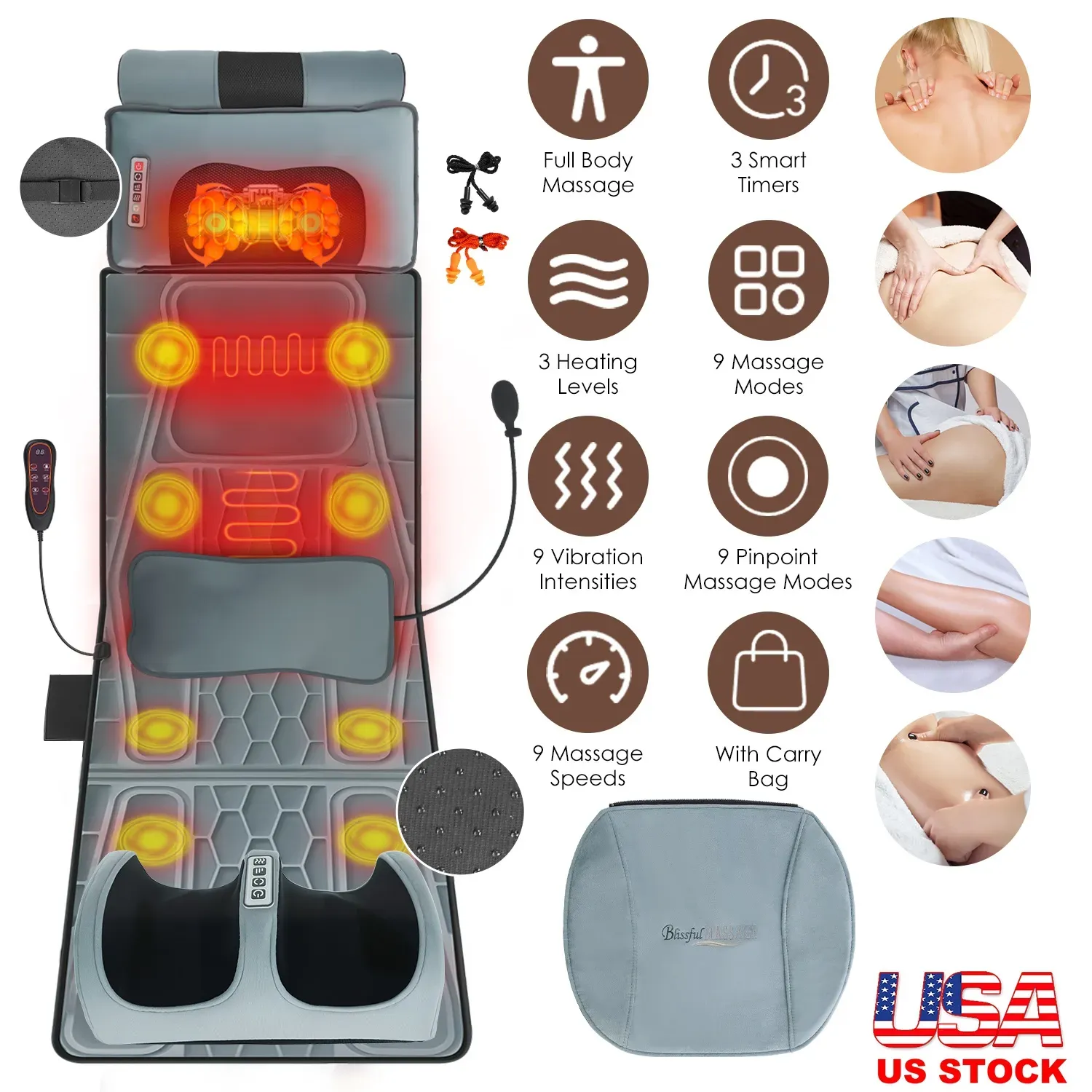
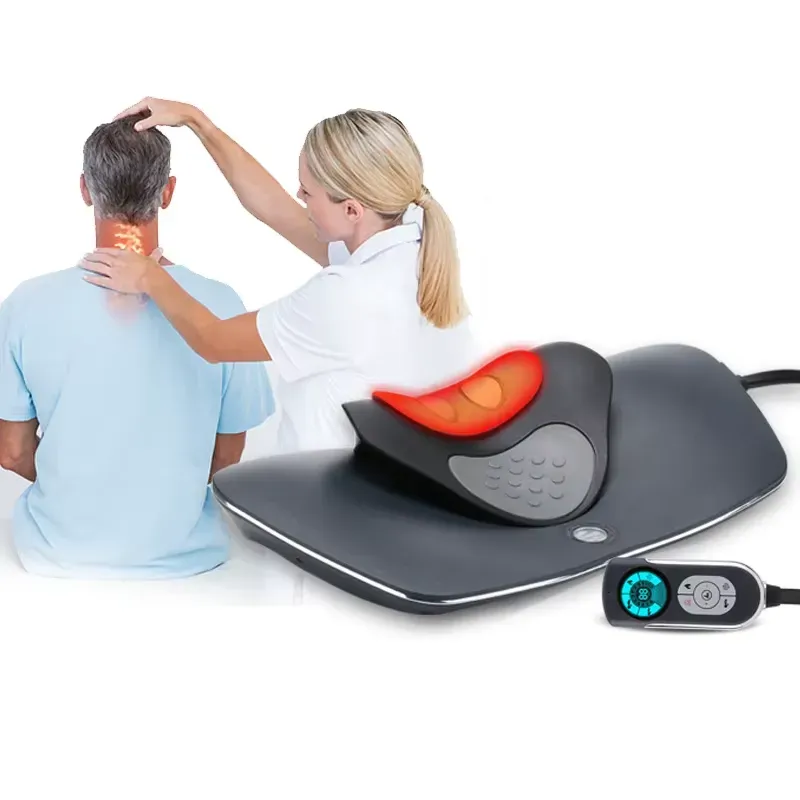
Recommended Devices in Our Categories


The Neck & Back Pain Solutions Knowledge Hub: Explore All Guides
Category: Neck & Back Pain Solutions



Contact: info@restoremobility.org
I am not a doctor or licensed medical professional. The information and experiences shared on this website are for educational and informational purposes only. Nothing on RestoreMobility.org is intended to diagnose, treat, cure, or prevent any disease or medical condition.
All devices (red light therapy, TENS/EMS units, wrist laser devices, circulation massagers, etc.) and suggestions are based on my personal experience and general research. Results vary from person to person. Always consult with a qualified healthcare provider before using any wellness device or starting a new health routine — especially if you have high blood pressure, diabetes, heart conditions, pacemakers, implants, are pregnant, or have had recent surgery.
© Created by Restore Mobility