Circulation Booster Devices & Natural Pain Relief Guides
Why Am I So Tired? My Recovery Action Plan for Feeling Constantly Tired
If you're waking up in a fog, staring at your own reflection, wondering "why am I so tired" even after what felt like a full night's sleep, I've been exactly there. For a long stretch, no amount of coffee touched it. I'd ask myself "why am I constantly tired" almost every morning on the walk to the train, and the honest answer took a while to find.
Turns out poor sleep was quietly wrecking a lot more than my energy — my blood sugar was creeping up, and so was my sense that I was just permanently running on empty. One mistake I made early on: I leaned hard on melatonin supplements without realizing they were pushing my blood sugar in the wrong direction too. Nobody warns you about that one. So I'm writing this as the shortcut I wish I'd had — the recovery action plan I eventually built, instead of the years of trial and error it took me to get there.
This guide covers the sleep aid options that actually made a difference for me, the natural sleep aid routes I tried before reaching for anything stronger, and a full daily recovery action plan you can adapt to your own schedule.
I'm not a doctor — this is what worked for me personally. If sleep issues are affecting your health seriously, talk to a physician, especially around blood sugar, blood pressure, or any existing condition.
The Real Reason You're Constantly Tired
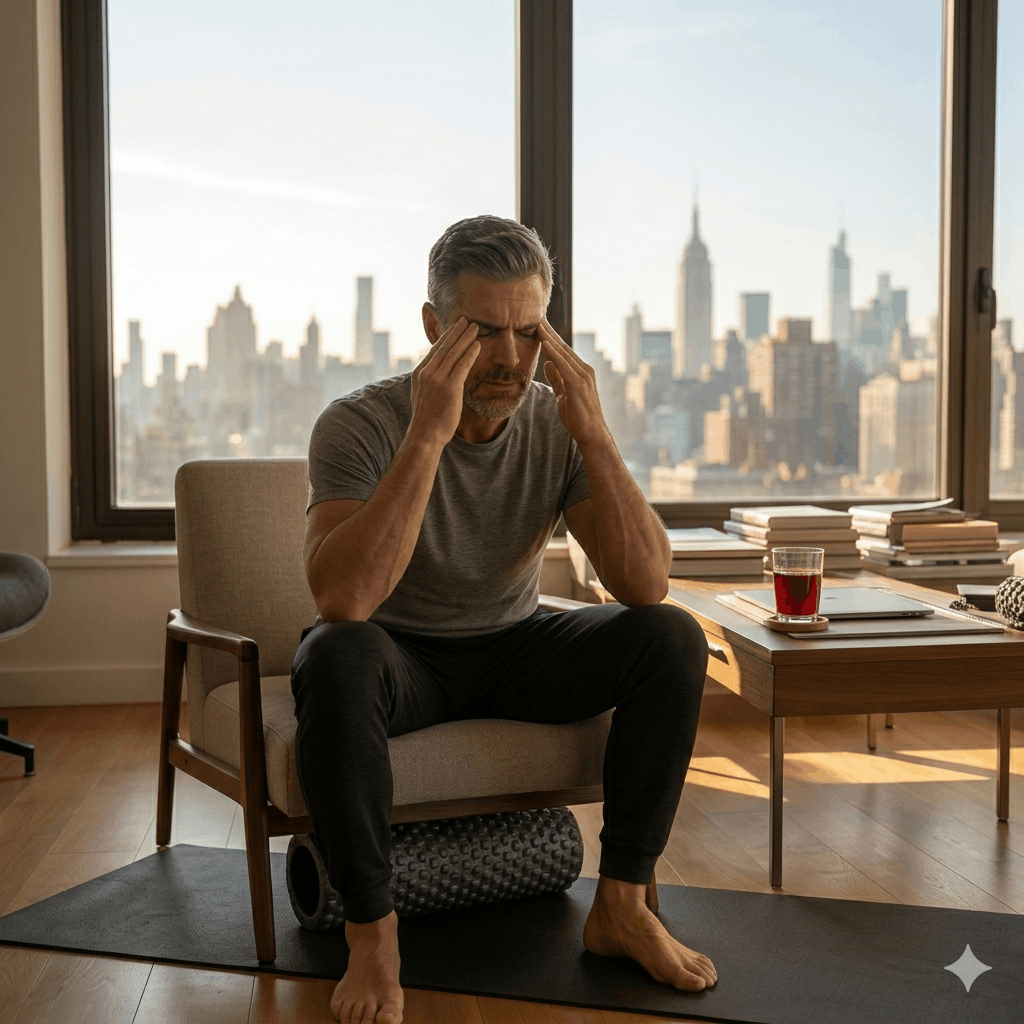
Understanding "why am I so tired" means looking past just hours in bed. A lot of my exhaustion came from what's sometimes called allostatic load — the slow accumulation of wear from ongoing stress, not one single bad night.
The cortisol problem: living in a city that never really quiets down keeps your nervous system on alert longer than it should be. High cortisol at night is a big part of why people ask "why am I constantly tired" — it keeps the brain from settling into the deep, restorative stages of sleep it actually needs. Poor sleep has documented effects on cardiovascular health over time, which was part of what pushed me to actually deal with this instead of pushing through it.
The smaller stuff that adds up:
Blue light: your devices tell your brain it's still daytime, which delays melatonin.
Decision fatigue: a demanding job drains real energy, not just mental focus.
Sitting too much: oddly, not moving enough can leave you more drained than a physically active day would.
Building a Real Recovery Action Plan
A recovery action plan, for me, ended up being less about one big fix and more about rebuilding a few habits around the day.
Active recovery, not just rest. I used to think recovery meant collapsing on the couch. What actually helped more was gentle movement — a walk to flush out muscle tension, ten minutes with a foam roller undoing eight hours at a desk, and paying attention to electrolytes, not just water, since your nerves need minerals to fire properly.
Accounting for city noise and stress. Living somewhere loud and dense means the plan has to include dealing with that directly — brown noise to mask traffic, and short NSDR (non-sleep deep rest) sessions, which gave me something close to a nap's benefit in about twenty minutes without actually falling asleep.
Finding the Best Sleep Aid for Your Situation
The right sleep aid is personal — what works for one person's schedule and biology won't necessarily work for someone else's.
The pharmaceutical route. A traditional sleeping aid can genuinely help with short-term insomnia, but I moved away from relying on one regularly — the "hangover" grogginess the next day wasn't worth it, since it was forcing sedation rather than letting my body cycle through sleep naturally.
What worked better for me, longer-term — a natural sleep aid approach:
Magnesium glycinate — helped with muscle relaxation, part of the GABA pathway.
Tart cherry juice — a natural, mild source of melatonin.
L-theanine — found in tea, helped with winding down without making me drowsy during the day.
Deepen Your Knowledge: Recommended Reading

Anti-Snoring Devices: The Piece People Forget
You can't really run a recovery action plan if your airway is restricted at night. Snoring isn't just an annoyance — it's a sign of disrupted breathing that leaves you asking "why am I so tired" every single morning, no matter how many hours you logged.
Reduced airflow means your brain isn't getting the oxygen it needs to do its repair work overnight. And often, the person searching for the best sleep aid isn't the one snoring — it's their partner, losing sleep right alongside them. Anti-snoring devices range from mandibular advancement devices to simple nasal dilators, and which one helps depends a lot on where the airway restriction is actually happening.
Engineer's Verdict
Sleep tech and anti-snoring devices aren't interchangeable fixes for the same problem. A sleeping aid — pharmaceutical or supplement — addresses the "can't fall asleep" problem. An anti-snoring device addresses airway restriction, a completely separate mechanical issue that can undermine sleep quality even if you fall asleep fine. If you're still constantly tired despite a good sleep aid routine, it's worth ruling out snoring or breathing issues specifically, rather than just trying a stronger sedative.
Post-Activity Recovery Habits
To keep from sliding back into "constantly tired" mode, a few small habits made a real, ongoing difference:
Contrast showers — alternating hot and cold water to get circulation moving.
Compression wear — socks or sleeves after a long day standing or sitting, to keep fluid from pooling in the legs.
4-7-8 breathing — worked as both a natural sleep aid at night and a quick reset during a stressful afternoon.
My Daily Recovery Action Plan
Morning (7:00-9:00):
Ten minutes of direct sunlight to reset circadian rhythm — this made my natural sleep aid routine noticeably more effective at night.
20oz of water before any caffeine.
Afternoon (1:00-3:00):
A short walk to counter the early-afternoon energy dip.
The 20-20-20 rule for screen strain — every 20 minutes, look at something 20 feet away for 20 seconds.
Evening (8:00-10:00):
Screens off well before bed.
Light stretching or a massage tool to unwind physically.
Supplements or whatever sleep aid is part of that night's routine.
Frequently Asked Questions
Why am I so tired even after 8 hours of sleep? In my case, it usually came down to sleep quality, not just quantity — high cortisol, snoring, or blue light exposure late at night can all mean you're technically "asleep" without getting the deep, restorative stages that actually leave you rested.
What's the difference between a sleeping aid and a natural sleep aid? A sleeping aid usually refers to a pharmaceutical or stronger over-the-counter option; a natural sleep aid leans on supplements and habits that work with your body's own sleep pathways instead of forcing sedation.
Do anti-snoring devices actually help with daytime tiredness? In my experience, yes — improving airflow at night directly affects how rested you feel the next day, since your body gets more uninterrupted deep sleep.
Stop Asking "Why Am I So Tired" and Start Adjusting
Going from constantly tired to actually rested didn't happen overnight for me — it came from sticking with a recovery action plan that combined a natural sleep aid approach with a few consistent daily habits.
Ready to fix your sleep? Explore the anti-snoring devices and recovery tools that made the biggest difference for me in the shop below.
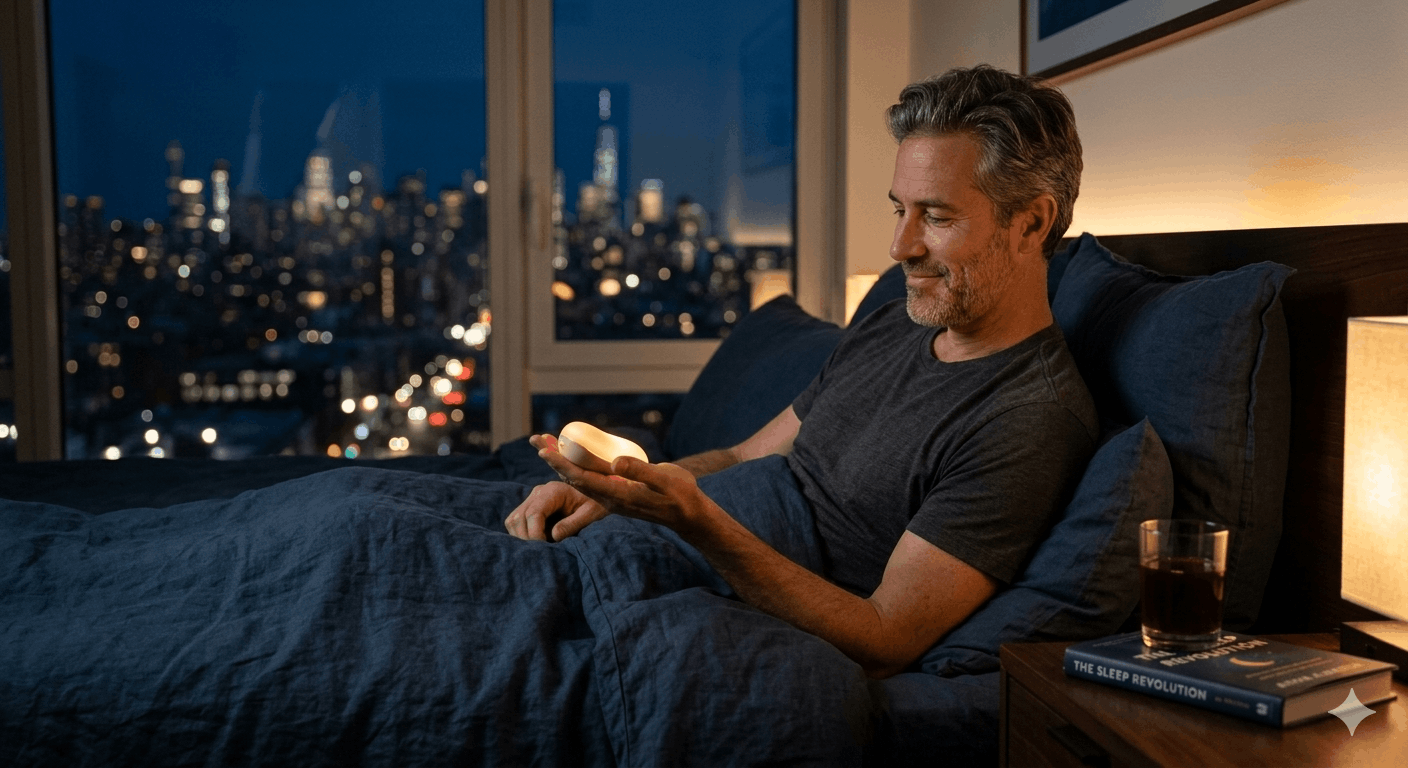
Comparison of Sleeping Gadgets for Adults
| Device Type | Primary Benefit | Best For |
|---|---|---|
| Hand held sleep aid device | Anxiety reduction | People who can't stop "racing thoughts." |
| Anti snoring devices | Improved airflow | Chronic snorers and their partners. |
| White Noise Machines | Sound masking | Urban dwellers in noisy neighborhoods. |
| Smart Rings | Data tracking | People who want to see why they are tired. |
Recommended Devices in Our Categories
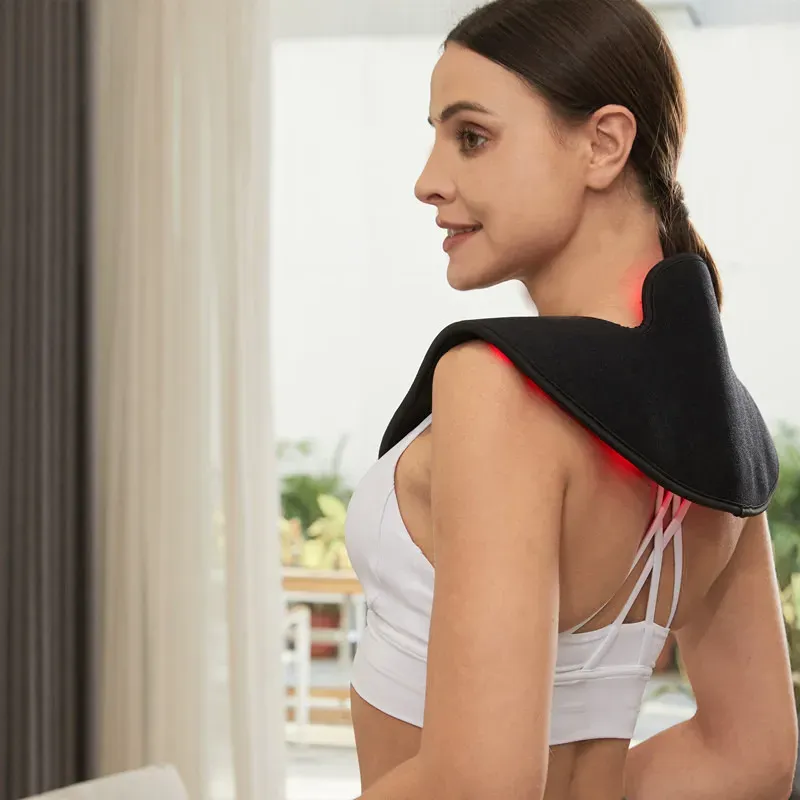
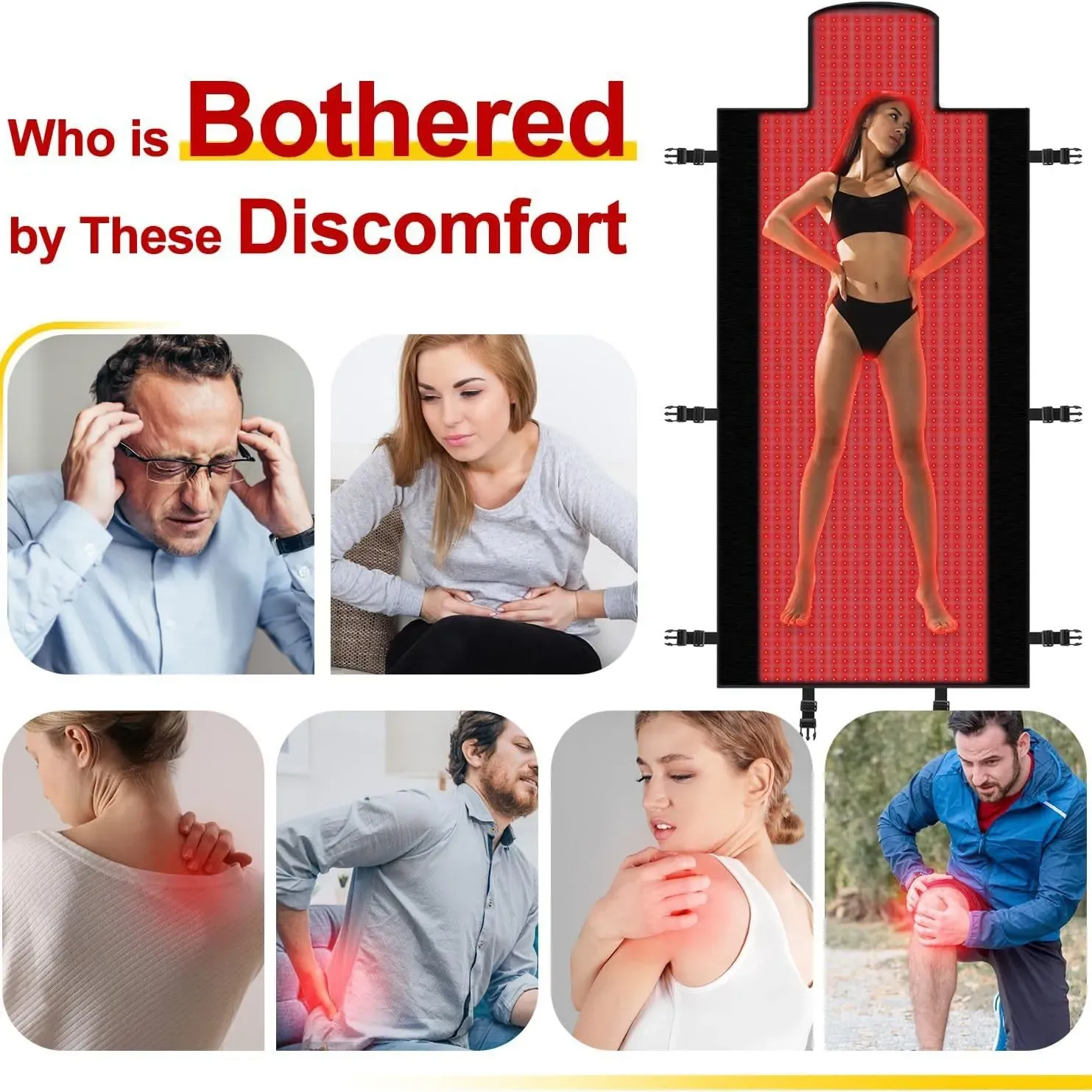
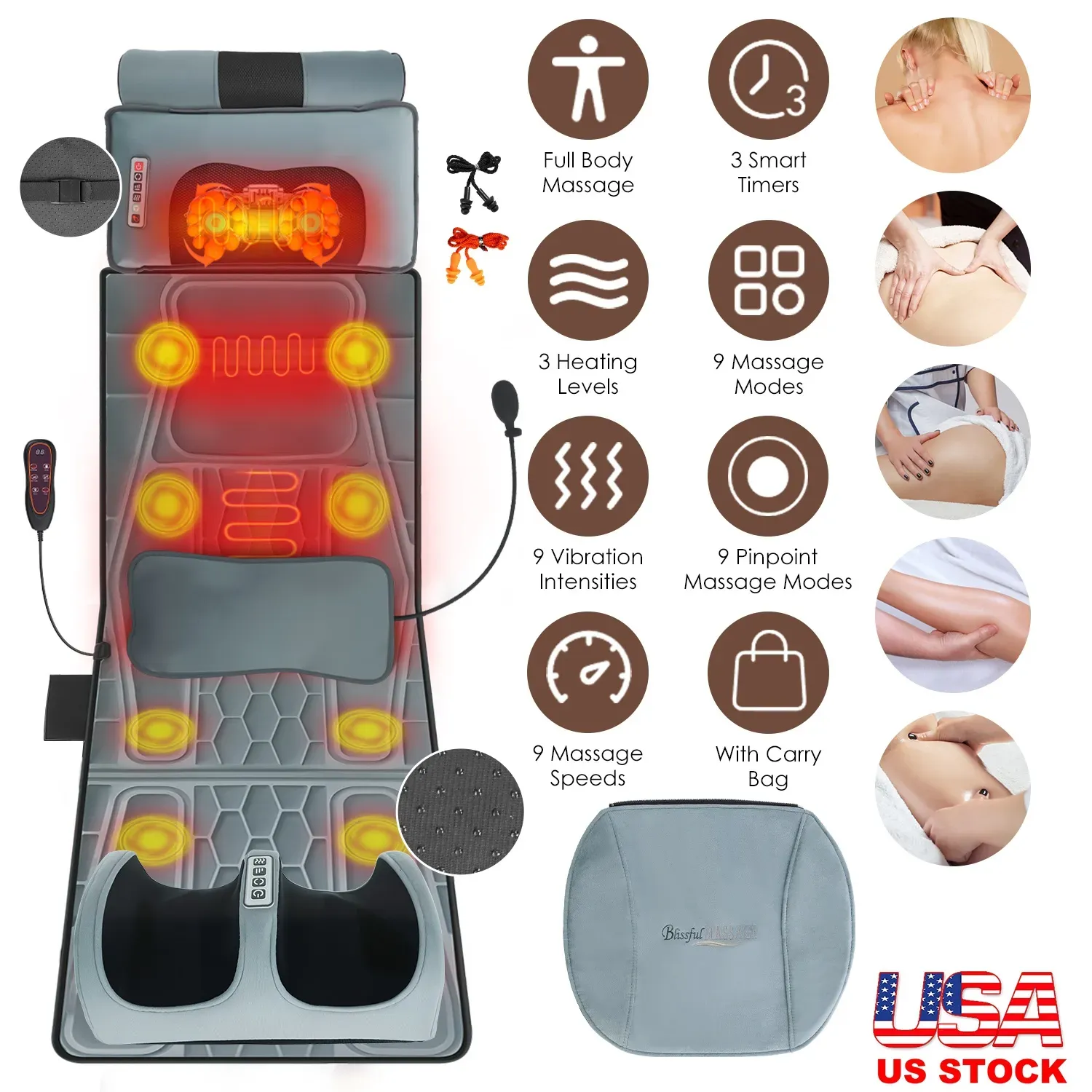
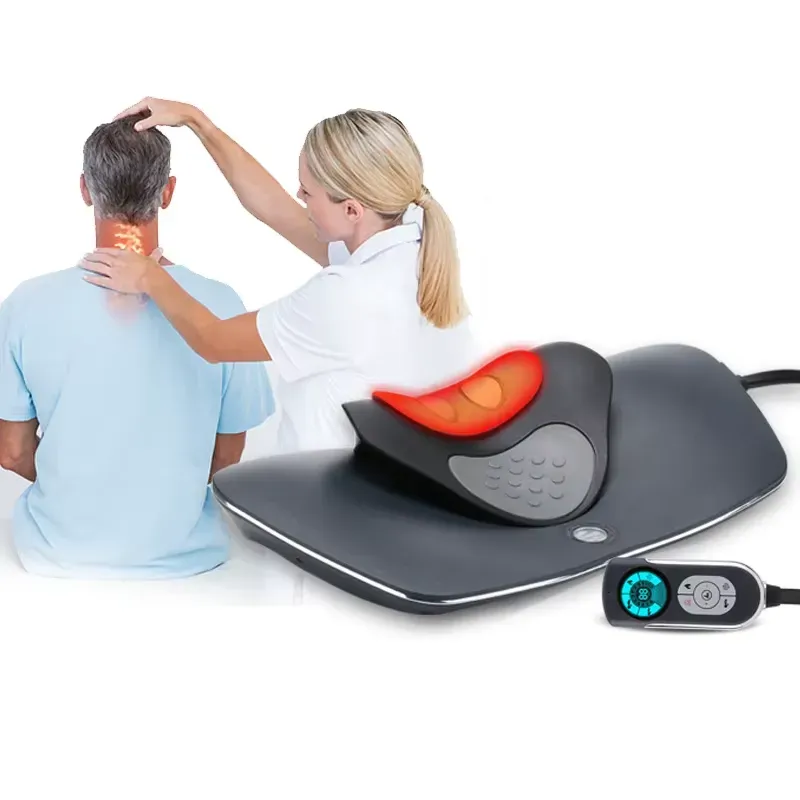
The Circulation Boosters Devices Knowledge Hub: Explore All Guides
Category: Recovery & Wellness Tips



Contact: info@restoremobility.org
I am not a doctor or licensed medical professional. The information and experiences shared on this website are for educational and informational purposes only. Nothing on RestoreMobility.org is intended to diagnose, treat, cure, or prevent any disease or medical condition.
All devices (red light therapy, TENS/EMS units, wrist laser devices, circulation massagers, etc.) and suggestions are based on my personal experience and general research. Results vary from person to person. Always consult with a qualified healthcare provider before using any wellness device or starting a new health routine — especially if you have high blood pressure, diabetes, heart conditions, pacemakers, implants, are pregnant, or have had recent surgery.
© Created by Restore Mobility