Circulation Booster Devices & Natural Pain Relief Guides
Natural Pain Relief Devices: Red Light Therapy for Pain & Infrared Light Therapy
If you're reading this, you're probably tired — tired of the dull ache in your lower back that starts somewhere around Canal Street, tired of your knees clicking every time you climb a subway staircase, and definitely tired of "quick fix" pills that stop working by lunch.
I was that guy. For years, I chased a career and let everything else — my shoulder, my knees, my back — quietly fall apart in the background. I told myself I'd deal with it later. Later kept not coming, until the pain started deciding what I could and couldn't do in a day, not me.
I lived in a fourth-floor walk-up in Queens, carrying a laptop bag that felt like it was packed with bricks, popping Tylenol like they were Tic-Tacs. One Tuesday, after realizing I'd spent forty bucks that month on pills that barely touched the ache in my shoulder, I threw the bottle out. And I don't just mean the shoulder — imagine a whole set of aches: knees that complain when you stand up, a back that locks when you bend over, a shoulder that flares up just from reaching for something. Enough pain, spread across enough of your body, starts to run your day instead of the other way around.
Eventually I went cold turkey on the pills and started a stubborn, multi-year experiment to find natural pain relief that could actually hold up against a 10-hour New York workday. What I found wasn't a miracle — it was a system. By layering infrared light therapy, a few well-chosen pain relief devices, and some habit changes that had nothing to do with willpower, I broke the cycle.
Important: I'm not a doctor. I'm a guy who survived a desk job and a Queens commute. If your pain is sharp, sudden, or won't let up, go see a professional — this is my personal experience with what worked once the pills stopped helping, not medical advice.
The Hidden NYC Pain Loop: Why We Stay Stuck
This city isn't exactly built for good posture. You sit on a cramped train for 45 minutes, your hip flexors tighten up, your lower back compresses — by the time you reach Midtown, your whole lower body feels locked. Then you sit at a desk for eight hours staring at a screen, which sets up the perfect conditions for tech neck and shoulder inflammation.
The trouble with reaching for a pill every time is that it quiets the alarm without touching what's setting it off. For me, what was setting it off was poor blood flow and a nervous system that never really got out of "on" mode. Getting real relief meant interrupting those triggers before they piled up — not just outrunning the pain for a few hours at a time.
The Game Changer: Infrared Light Therapy for Deep Recovery
If you'd told me a few years back that sitting in front of a red lamp would calm my knee down, I'd have laughed you out of the room. But once I looked into how infrared light therapy actually works, the science made sense even to a non-scientist like me.
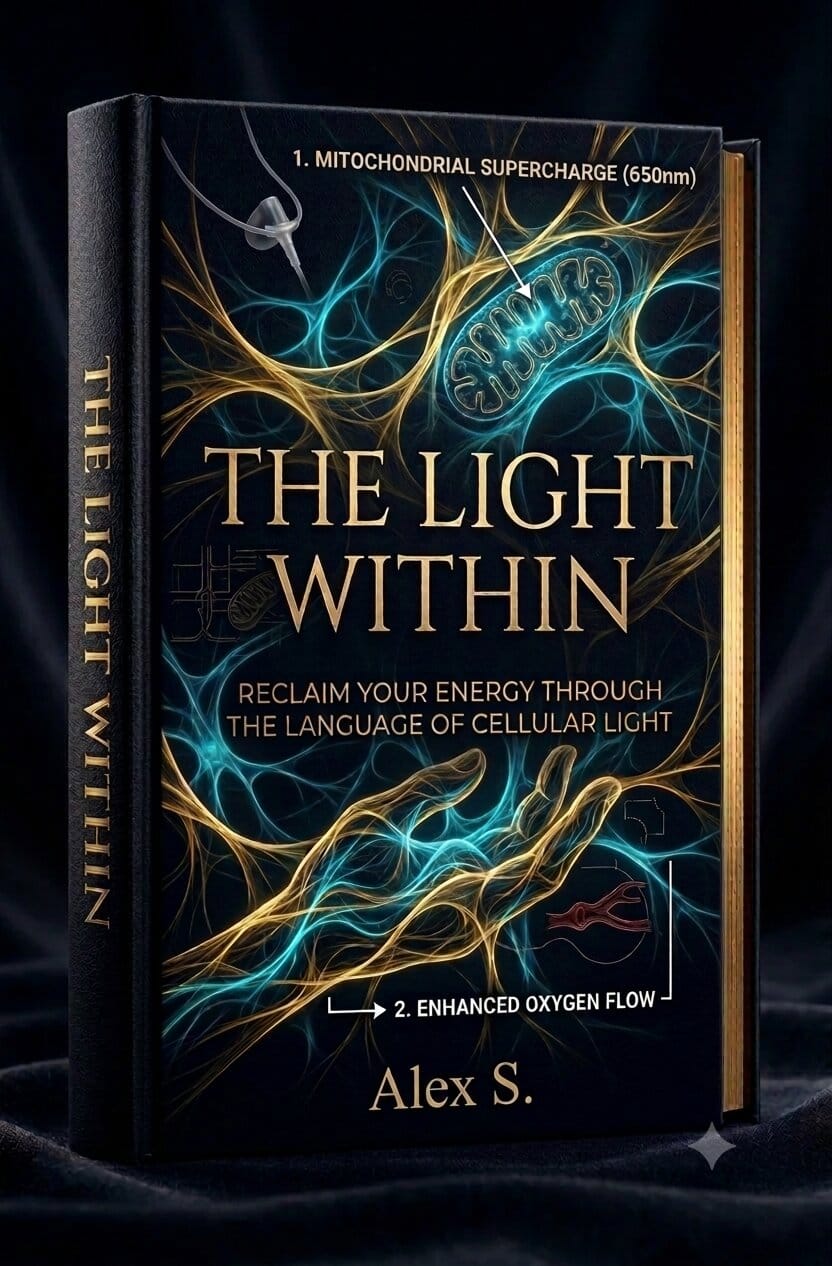
Regular heat — like a heating pad — just warms the surface of your skin. Infrared light therapy goes deeper, penetrating inches into muscle tissue and triggering ATP production at the cellular level. Think of it as giving your cells the fuel to do the repair work they already know how to do, faster than they'd manage on their own.
Nothing magical about it — it's a documented process called photobiomodulation, and it's been studied for its effect on reducing oxidative stress in tissue.
I started using red light therapy for pain in my shoulder, fifteen minutes a night. Week one, I felt basically nothing. By week three, that sharp, needling feeling under my shoulder blade had quietly disappeared. It wasn't masking anything — it was calming down inflammation that the daily grind kept stoking.
Deepen Your Knowledge: Recommended Reading

Building Your Survival Kit: Best Pain Relief Devices for City Life
You don't need a clinic-sized budget. You need three specific types of pain relief devices that actually fit in a New York apartment.
1. The Foundation: Infrared Light Therapy Pads
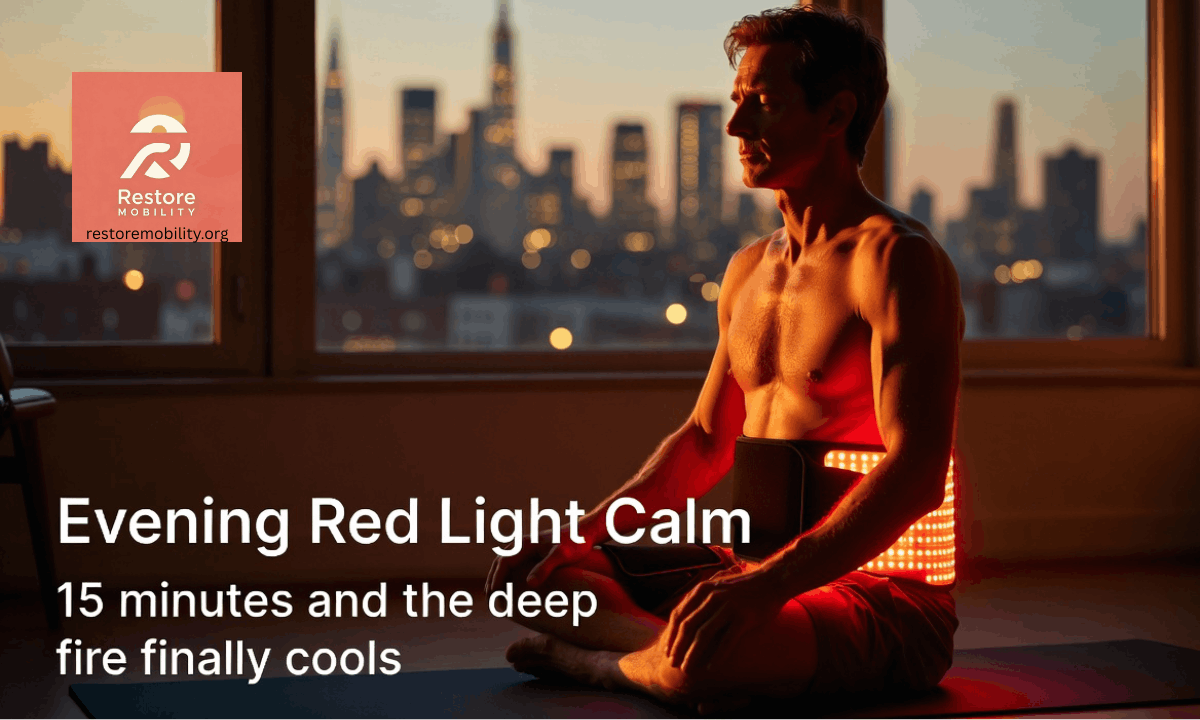
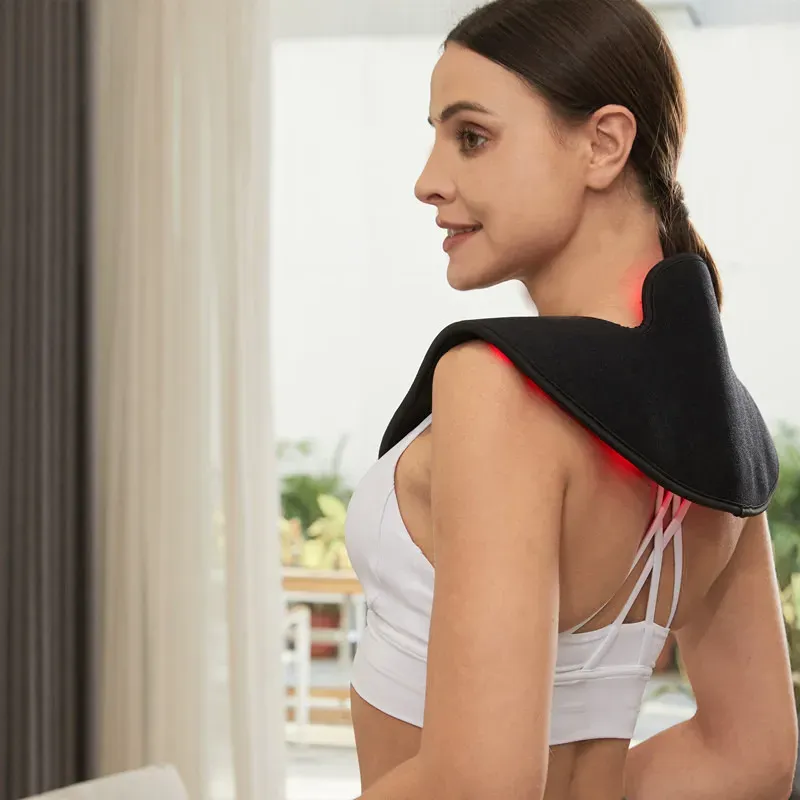
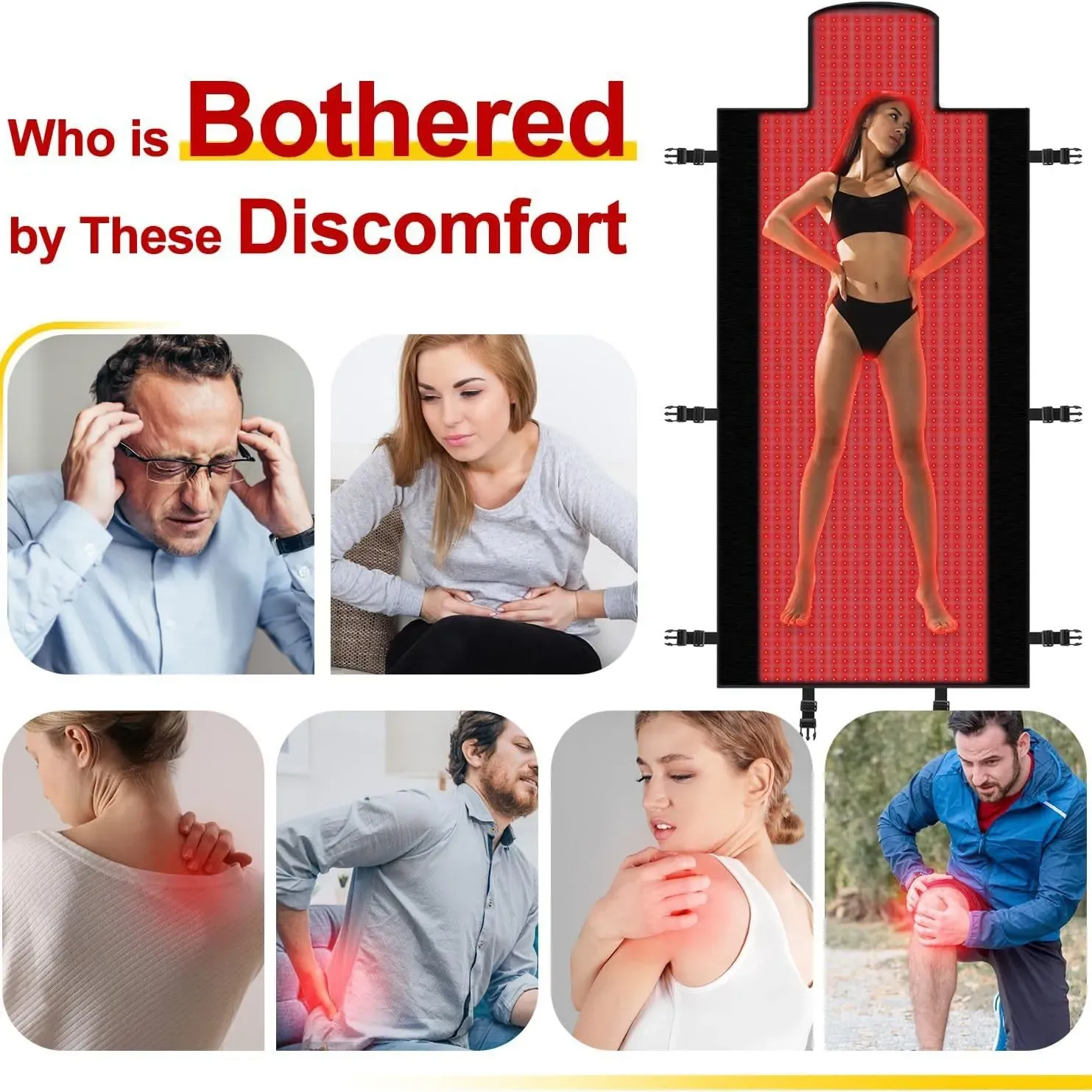
Skip the cheap "beauty" masks. Look for a dedicated pad or belt using both 660nm (red) and 850nm (near-infrared) light — that combination is what actually supports back pain relief, not just surface warmth. Wrapping a belt around your lower back while you answer emails is about as passive as recovery gets.
2. The Commuter's Choice: Foot Pain Relief Devices
If you're on your feet from the train platform to the office all day, your plantar fascia takes a beating. I tested several foot pain relief devices — vibrating rollers, EMS mats, the works. What actually helped was pairing a cold roller in the morning with a targeted circulation booster in the evening. Once your feet stop hurting, your whole posture changes with it.
3. The Nerve Muter: TENS/EMS Units
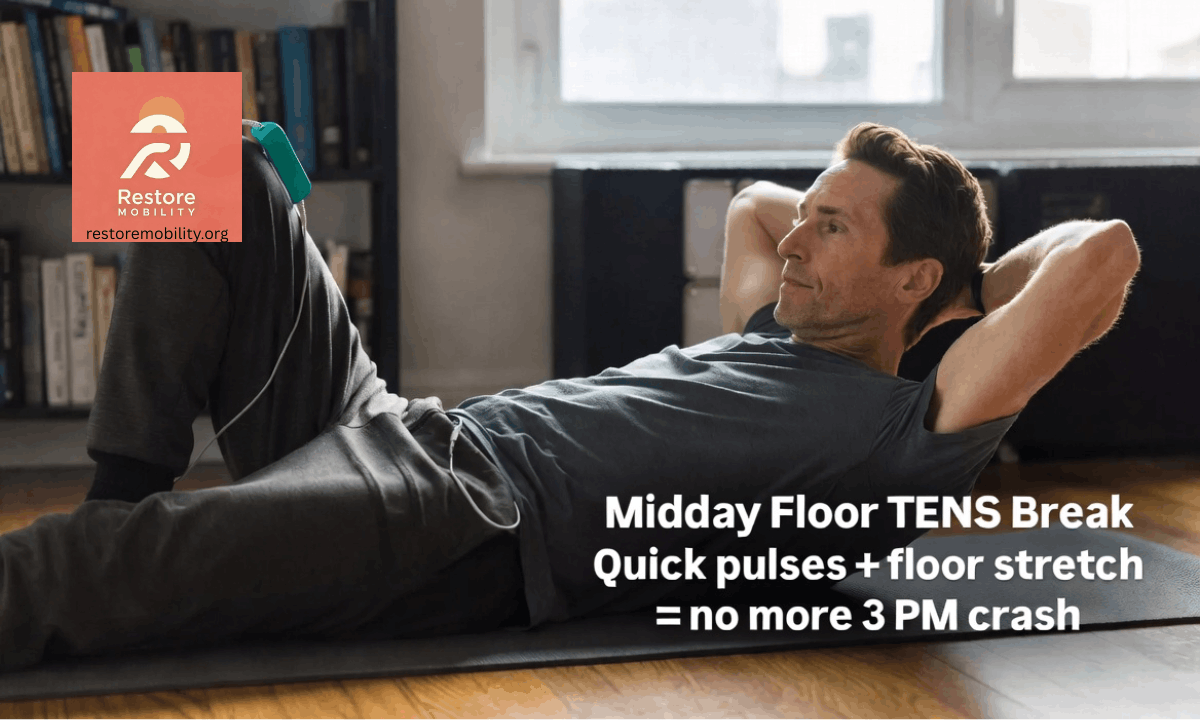
On the days when the pain is sharp and electric-feeling, you need something that interrupts the signal directly. A small, portable TENS unit got me through more than a few 3 p.m. meetings I wasn't sure I'd survive at my desk.
Engineer's Verdict
Looking at this the way I'd look at any mechanical system: pain relief devices work best when they address a specific failure point, not the whole body at once. Infrared pads are your baseline — daily, low-effort, addressing inflammation at the tissue level. TENS units are your emergency override, for acute flare-ups where you need the signal interrupted right now. Foot devices are maintenance for the part of your body doing the most repetitive work all day. Buying one device and expecting it to cover all three jobs is the most common mistake I see — and the one I made myself for the first year.
How to Support Back Pain Relief Naturally: The 3-Step Stack
Most people try one thing, don't see results in three days, and give up. What actually worked for me was stacking three habits across the day:
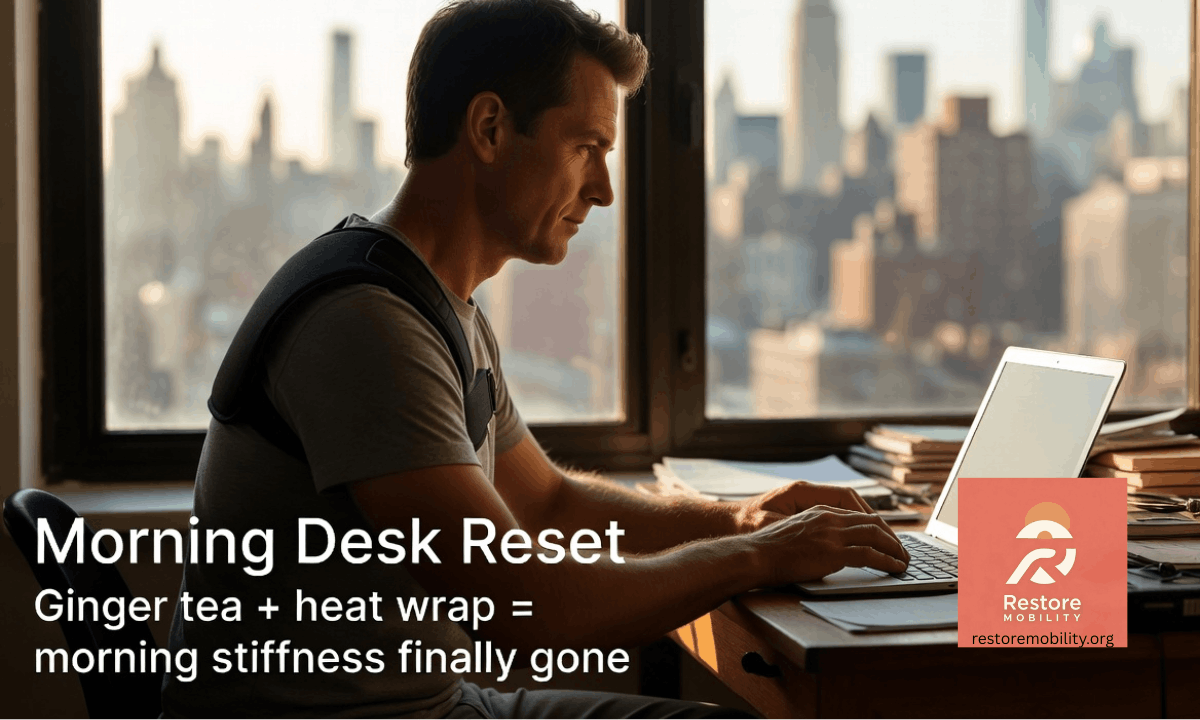
The Morning Reset: Ten minutes of gentle heat and light movement before coffee even hits. Get blood moving before stiffness turns into pain.
The Midday Break: A portable neck relief device or TENS unit during lunch — flushing out tension before it locks in for the evening.
The Evening Deep Dive: Red light therapy for pain, fifteen to twenty minutes while you unwind. This is the repair phase.
The 5 Habits I Had to Change
You can buy every pain relief device on the market, and if you don't fix these five things, you're still fighting an uphill battle:
The one-shoulder bag habit. Carrying a heavy bag on one side, every day, for years. Switch to a backpack or split the load — your spine notices the difference.
The dehydration trap. Coffee isn't water. Thick, dehydrated blood doesn't move well through inflamed muscle.
The four-hour sit. If you're not standing up at least once an hour, your hip flexors tighten like they're set in concrete.
The flat pillow. If your neck isn't properly supported at night, your back doesn't get a real chance to recover.
The screen slouch. Tech neck is real, and it's the single biggest driver of upper back pain I see in people with desk jobs.
The 30-Day Natural Pain Relief Log: What to Expect
I tracked my own progress because I wanted proof, not a feeling. Here's roughly what a 30-day reset looks like:
Days 1-7: Expect some crankiness — your body's used to chemical numbing. Morning stiffness will be real. Stick with the infrared therapy every night regardless.
Days 8-14: Flare-ups get shorter. Instead of a sore shoulder all day, it might only bother you for an hour after your commute.
Days 15-21: This is where the foot devices start earning their keep — you'll notice you can walk a few extra blocks without thinking about your arches.
Days 22-30: You catch yourself not reaching for the pill bottle out of habit. That's the actual win.
Consistency is what separates people who see results from people who give up in week one and go back to the pills. It's worth pushing through the first uncomfortable stretch.
The Wallet Reality: Why Natural Often Costs Less Long-Term
Rough math, based on my own spending:
Pills + doctor co-pays + physical therapy: roughly $150-$300 a month, ongoing.
A one-time investment in a quality infrared light therapy pad plus a couple of pain relief devices: roughly $300-$500, total, once.
Within six months, the devices pay for themselves. After a year, you've effectively saved enough for a weekend away.
Frequently Asked Questions (Real Answers, No Fluff)
Does red light therapy for pain actually work, or is it just a red light?
It's physics, not magic — it works at a cellular level to reduce oxidative stress. Devices using the right wavelengths (660nm/850nm) have real research behind them, though results vary person to person.
What are the best foot pain relief devices for someone on their feet all day?
Look for something combining compression with circulation support. A version with a heating element is especially useful during colder months.
Can I use these devices while I'm at work?
The portable ones, yes — I've used an inflatable neck stretcher and a TENS unit sitting at a cubicle in Midtown, and nobody even noticed.
Ready to Drop the Pills?
You don't have to live in a constant state of ache. The daily grind is hard enough without your own body working against you.
I've put together the natural pain relief tools that survived my Queens walk-up and the daily commute. These aren't generic gadgets — they're the ones that actually delivered when I needed them most.
Check out the Natural Pain Relief Collection at Restore Mobility
Take care of yourself out there. Your body is the only place you have to live.
Recommended Devices in Our Categories
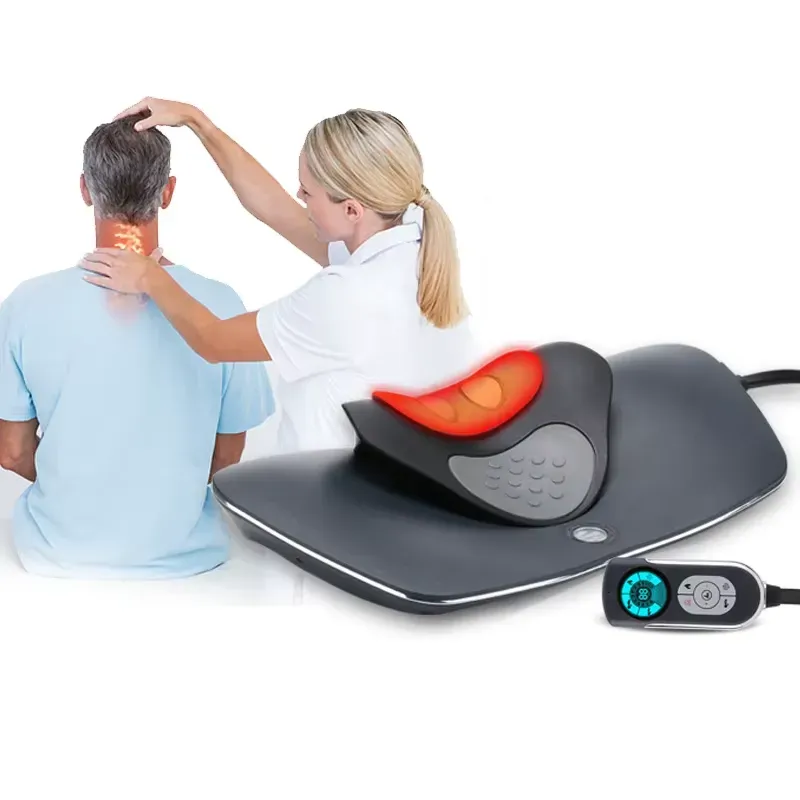
The Natural Pain Relief Knowledge Hub: Explore All Guides
Category: Natural Pain Relief



Contact: info@restoremobility.org
I am not a doctor or licensed medical professional. The information and experiences shared on this website are for educational and informational purposes only. Nothing on RestoreMobility.org is intended to diagnose, treat, cure, or prevent any disease or medical condition.
All devices (red light therapy, TENS/EMS units, wrist laser devices, circulation massagers, etc.) and suggestions are based on my personal experience and general research. Results vary from person to person. Always consult with a qualified healthcare provider before using any wellness device or starting a new health routine — especially if you have high blood pressure, diabetes, heart conditions, pacemakers, implants, are pregnant, or have had recent surgery.
© Created by Restore Mobility