Circulation Booster Devices & Natural Pain Relief Guides
How to Reduce Swelling in Feet After a Full Day on Your Feet in This City
How to Reduce Swelling in Feet After a Full Day on Your Feet in This City
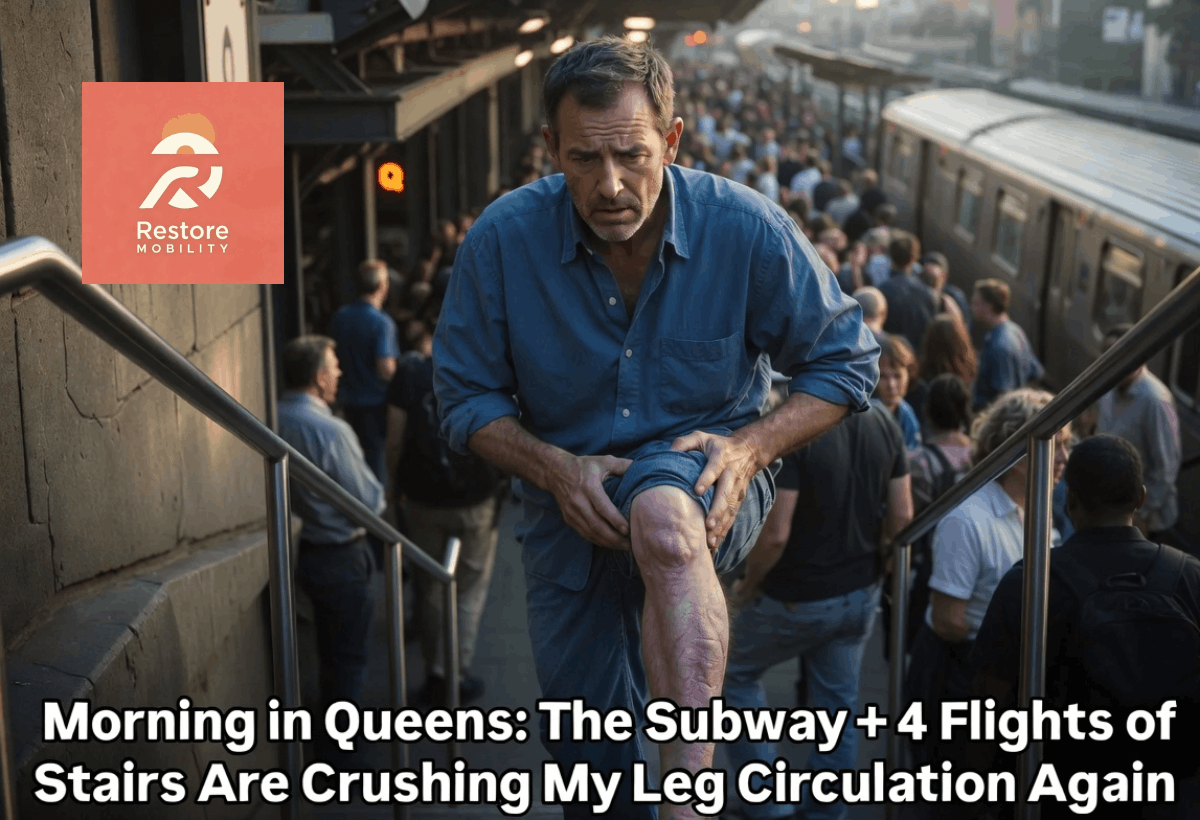
By the time I get off the N train in Astoria most evenings, I can already tell how the day went just by how my shoelaces feel. Tight means I sat too long. Really tight means I stood too long without moving. Fifteen years of that commute taught me something most people never bother to figure out: swelling isn't random; it's a direct readout of what your legs did and didn't do that day.
I'm not a doctor, and I want that on the record before anything else. What I am is someone who got sick of guessing and decided to actually test what works, discard what doesn't, and write down the difference. That's this article.
Quick but important distinction: everyday puffiness from sitting or standing too long is not the same thing as swelling that shows up suddenly, only on one side, or with chest pain or shortness of breath. That combination needs a doctor immediately, not a home routine. Everything below is for the ordinary, end-of-day kind that most desk workers and commuters know too well.
How to Reduce Foot Swelling by Targeting the Actual Cause
Most advice on how to reduce foot swelling treats the ankle like the problem. It isn't — it's where the problem becomes visible. The actual cause is upstream: your calf muscles work as a secondary pump, squeezing blood and fluid back up toward your heart every time you take a step. Stop moving for hours at a stretch, and that pump simply idles. Fluid drifts downward with gravity and settles wherever it can't drain fast enough — almost always your ankles and feet.
That's a mechanical problem, not a medical one, in most cases. But mechanical problems left alone long enough can turn into something more persistent, and there are legitimate medical causes worth ruling out, including chronic venous insufficiency, especially if the swelling never fully resets by morning.
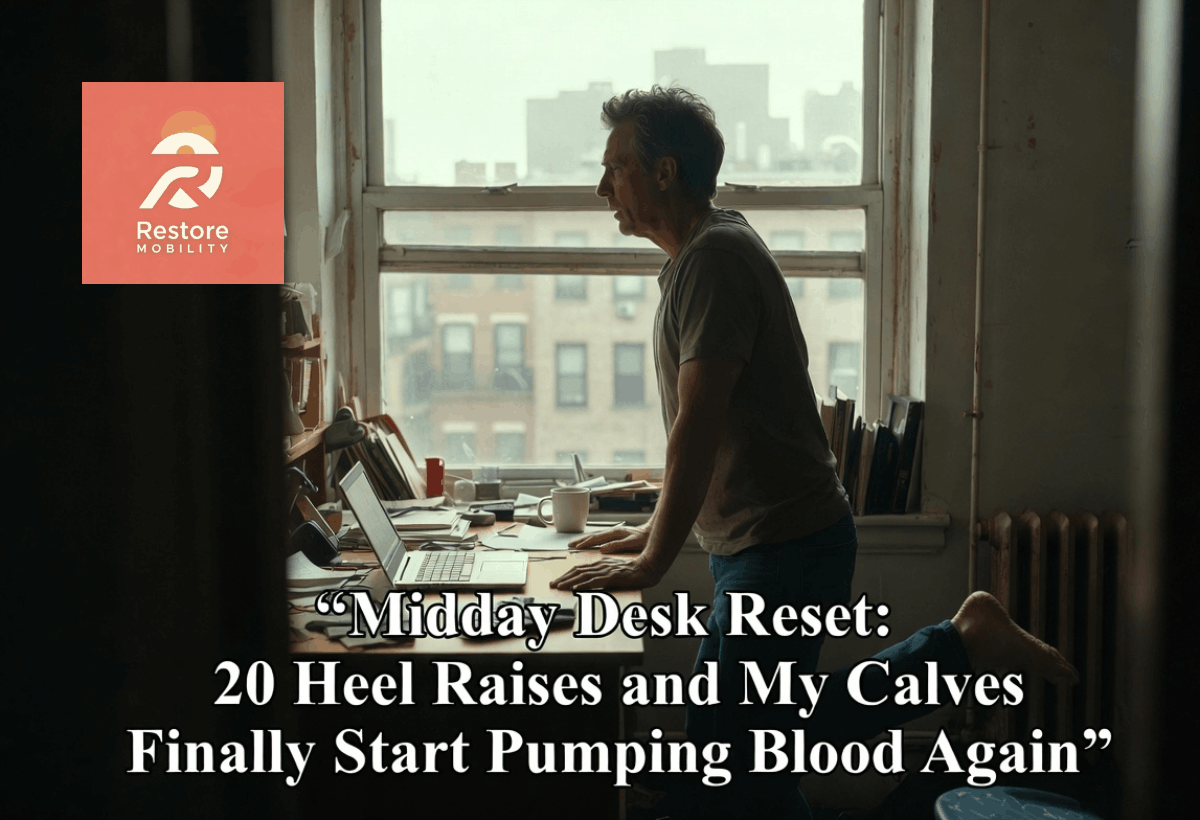
A tracking method I haven't seen written up anywhere else: take a shoelace or a piece of string, wrap it around the narrowest part of your ankle first thing in the morning, and mark exactly where it overlaps. Do it again before bed. If the mark has shifted more than roughly half an inch, that's a real number describing your swelling — not a subjective "feels puffy today." I didn't trust any routine change until I had that number to compare against.
Free Habits That Actually Moved the Needle for Me
Before spending anything on gear, I ran a few weeks of testing free changes to see which ones held up:
Elevate before dinner, not after. Fifteen minutes with your legs up a wall does real work for drainage — but do it before you eat. Doing it on a full stomach is uncomfortable enough that most people quietly abandon the habit within a week.
Set a silent movement reminder, not an audible one. An hourly nudge to do ankle circles only survives if it's a silent phone vibration. An audible alarm going off during a call gets your routine killed by your coworkers before it gets killed by your own follow-through.
Cold water on the calves only, not the whole body. 30 seconds at the end of a shower, specifically aimed at your lower legs. Full-body cold exposure is miserable enough that people give up quickly; localized cold preserves the circulatory benefits without the dread.
Loosen your shoes on a schedule, not in reaction to pain. If your shoes fit fine at 8 a.m. but are tight by 2 p.m., that's your cue to loosen them at lunch — proactively — instead of waiting until you're already uncomfortable and compressing tissue that's already swollen.
These habits genuinely help, but if your day involves 10,000 steps on concrete, they're maintenance, not a full fix. That's where mechanical assistance earns its place.
Choosing a Blood Circulation Machine for Legs and Feet That's Actually Worth Owning
I've bought the cheap version and the expensive version, and the gap between them usually comes down to one specific mechanism: sequential pressure. A real blood circulation machine for legs and feet uses multiple air chambers that inflate and deflate in a wave — ankle first, then calf, then upward — which physically pushes fluid in the direction it needs to go. A device that just squeezes evenly across the whole leg at once is holding fluid in place, not moving it.
Why a Leg Massage Machine Beats Doing It Yourself
I spent months trying to work my own calves by hand before I gave up on it, and the reason is straightforward: your hands fatigue in under two minutes, while actually moving fluid out of your lower legs takes closer to fifteen or twenty minutes of steady pressure. A dedicated leg massage machine sustains that pressure the entire time without getting tired, which is the entire point.
Where a Massage Machine Foot Attachment Actually Helps
Most people chasing how to reduce swelling in feet focus entirely on the calf and ankle and skip the sole completely. That's a gap worth closing. The plantar fascia on the bottom of the foot is often where restriction genuinely starts — tight fascia there constricts the small vessels feeding circulation to the rest of the foot before the swelling ever climbs to the ankle. A dedicated massage machine foot attachment works that specific tissue, not just the parts you can see are puffy.
Deepen Your Knowledge: Recommended Reading


The Engineer's Verdict: What Earned a Permanent Spot in My Routine
After cycling through more recovery devices than I'd like to admit, here's what actually separated the keepers from the ones sitting in a drawer:
Sequential compression only — skip single-zone squeeze. If a listing doesn't specifically mention multiple chambers cycling in a wave, it's a tight sleeve with good photography, not a real circulation device.
Adjustable pressure isn't optional. What feels right in week one won't feel like enough by week three, once your body adapts. A single fixed setting stops being useful the moment that happens.
What got sent back: a budget foot roller running a single vibration motor and marketed as "circulation therapy." Vibration creates sensation, not fluid movement. If a device can't state its pressure range in mmHg, that's the tell it's not doing the job it claims.
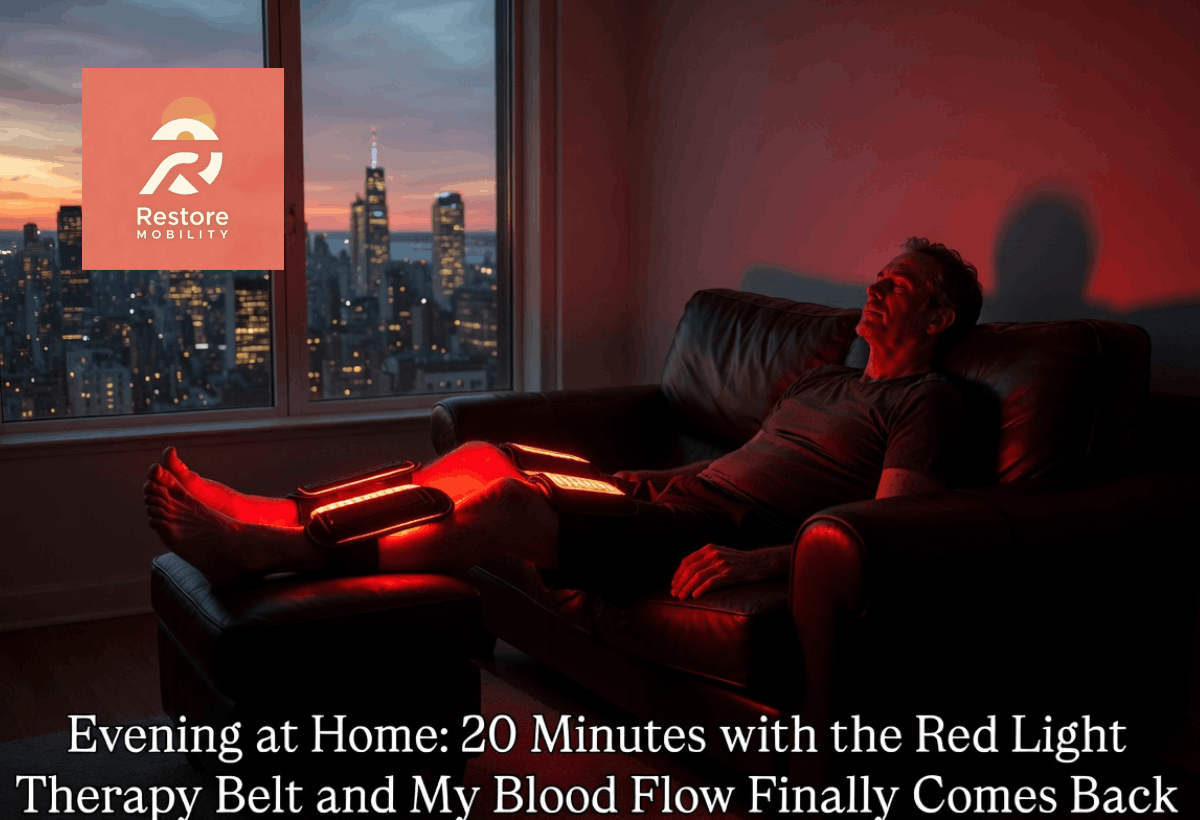
What earned a daily spot: a red light therapy belt, specifically because it's passive — I can wear it while working, which is the only reason it actually gets used every single day instead of "when I remember."
As a rough budget guide, a legitimate sequential compression device tends to run in the low-to-mid hundreds of dollars. Below that range, you're almost always buying a vibration gadget with circulation-device language attached to it.
Applying those exact criteria, here's what actually stayed in my daily rotation — with links to the specific units, not just the category.
The Red Light Therapy Belt (Passive Blood Circulation Machine for Legs and Feet)
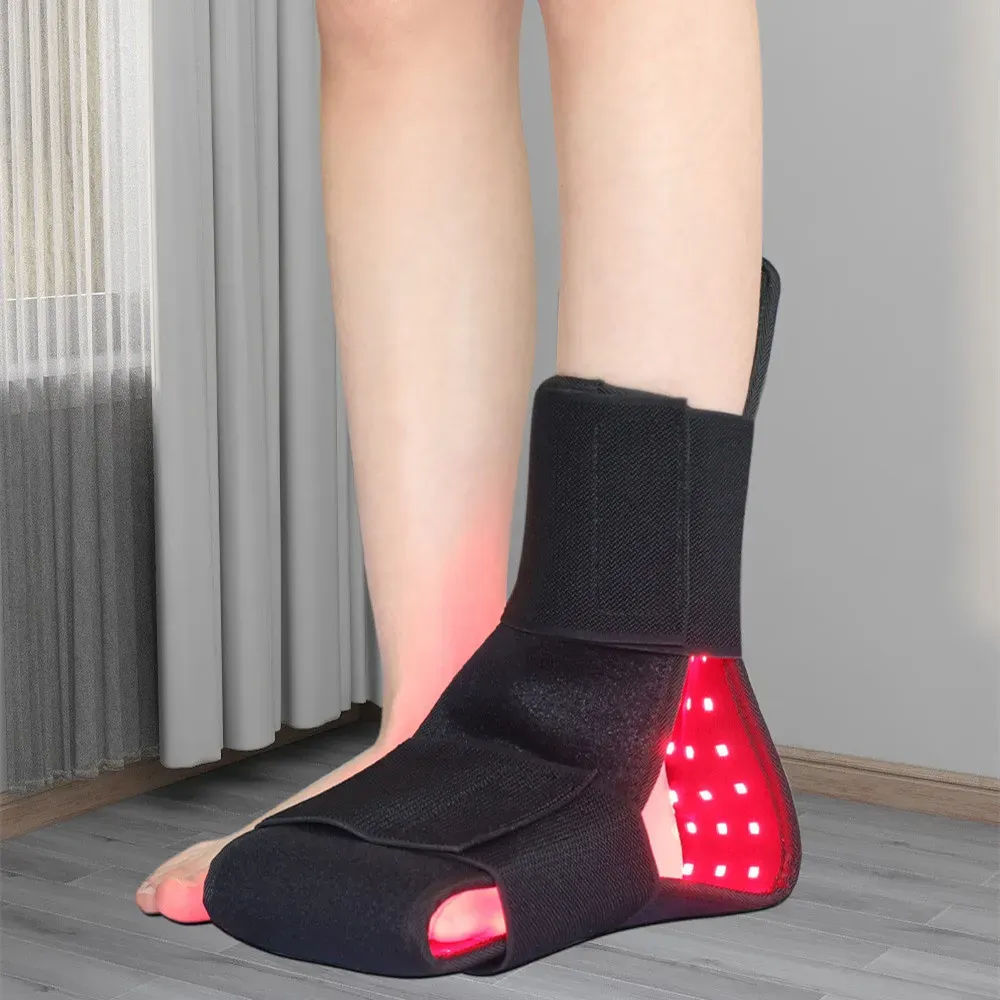
This is the most "futuristic" tool in my kit. It’s a belt I wrap around my calves while I’m working.
How it supports you: It uses 650nm red light to support Nitric Oxide production. This helps with vasodilation (widening the pipes).
The Experience: It’s a passive way to support vascular health without needing to stop what you're doing. It’s the least intrusive blood circulation machine for legs and feet I’ve ever tested.
The Sequential Compression Leg Massage Machine (The Deep Tissue Solution)
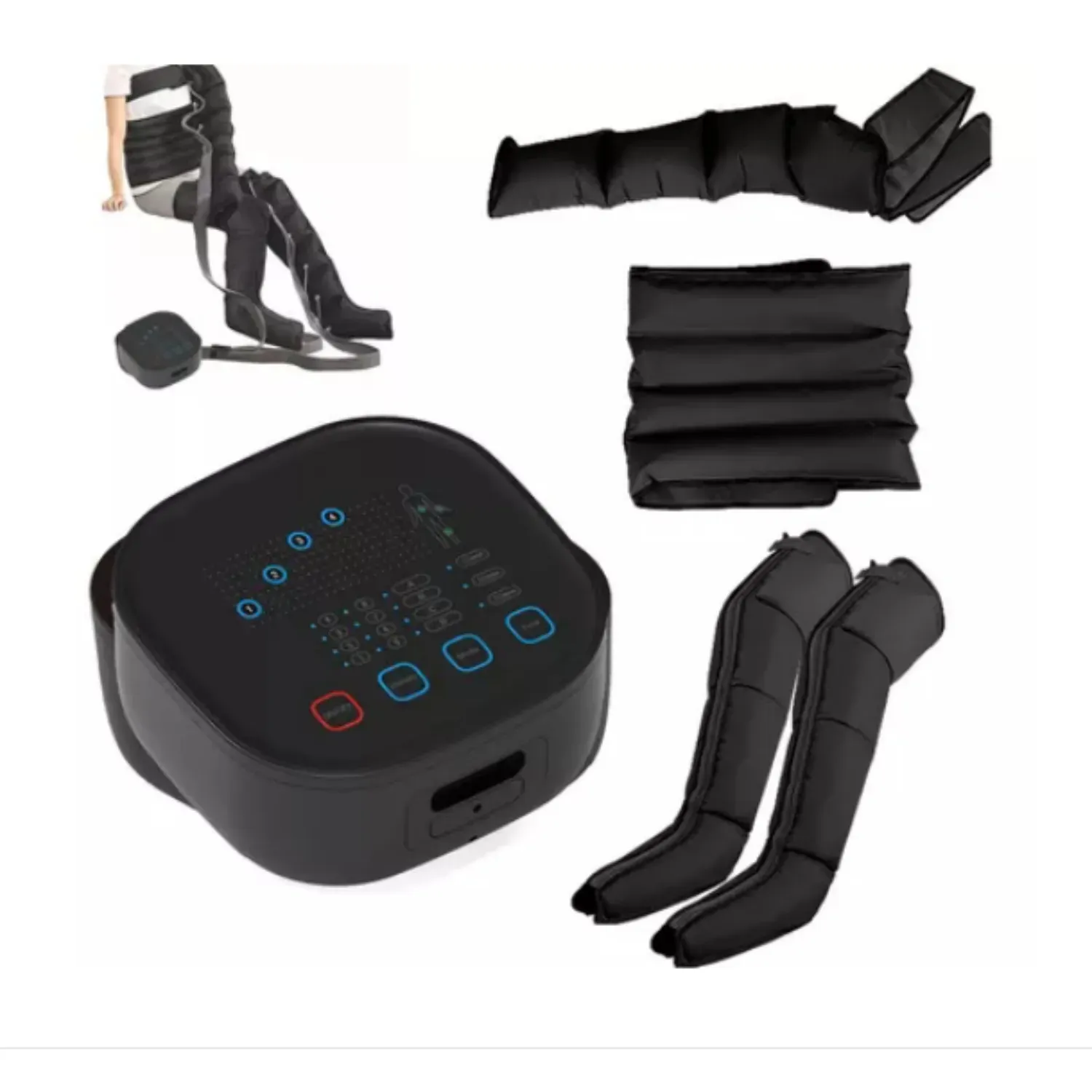
When I’ve been on my feet all day, I use an air-compression leg massage machine.
The Benefit: It physically supports the movement of lymphatic fluid. If you want to know how to reduce foot swelling after an intense day, this is the most direct mechanical help you can get.
The Actual Daily Routine, Not the Theoretical One
This is the version that survived years of adjusting:
Morning (5 minutes): A handheld massage device on the calves before leaving the apartment — wakes up tissue that's been still all night.
Midday (10 minutes): An under-desk foot unit, timed to hit right before the mid-afternoon stiffness sets in, not after it's already uncomfortable.
Evening (15 minutes): Legs up the wall, paired with the red light belt — the closer that actually resets things before bed.
For the bigger picture on circulation device categories beyond just the leg-specific ones, that's covered in more depth in the guide to circulation booster technology.
Treat This Like Maintenance, Not a Reaction
Most people only address swelling once it's already bothering them. Treating a blood circulation machine for legs and feet like scheduled car maintenance — not a response to a warning light — is what actually changes the pattern. If you're serious about how to reduce foot swelling long-term, start with the shoelace-measurement habit, stack a consistent device routine on top of it, and give the combination a full two weeks before judging results.
The Bottom Line
If your legs are dragging by the end of every single day, that's not just "how city life goes." You don't need a diagnosis to know your body is asking for help. Stack the free habits with a real leg massage machine, and staying light on your feet stops being a good day and becomes the default.
Ready to Optimize Your Recovery?
The tools that made the actual difference in my own testing — not just the ones with good product photos — are in one place.
👉 See the Recovery & Circulation Collection — every device here has been vetted against the same criteria in this article, not picked for margin.
Disclaimer: I'm not a doctor or licensed medical professional. This article reflects personal experience and general research, shared for educational purposes only — it isn't intended to diagnose, treat, cure, or prevent any condition. Always consult a qualified healthcare provider before starting a new circulation routine or device, especially if you have high blood pressure, diabetes, a heart condition, a pacemaker or other implant, are pregnant, or have had recent surgery. Sudden, one-sided, or painful swelling — especially with chest pain or shortness of breath — needs immediate medical attention, not a home routine.
Recommended Devices in Our Categories



Contact: info@restoremobility.org
I am not a doctor or licensed medical professional. The information and experiences shared on this website are for educational and informational purposes only. Nothing on RestoreMobility.org is intended to diagnose, treat, cure, or prevent any disease or medical condition.
All devices (red light therapy, TENS/EMS units, wrist laser devices, circulation massagers, etc.) and suggestions are based on my personal experience and general research. Results vary from person to person. Always consult with a qualified healthcare provider before using any wellness device or starting a new health routine — especially if you have high blood pressure, diabetes, heart conditions, pacemakers, implants, are pregnant, or have had recent surgery.
© Created by Restore Mobility