Circulation Booster Devices & Natural Pain Relief Guides
I am not a doctor or licensed medical professional. The information and experiences shared on this website are for educational and informational purposes only. Nothing on RestoreMobility.org is intended to diagnose, treat, cure, or prevent any disease or medical condition.
All devices (red light therapy, TENS/EMS units, wrist laser devices, circulation massagers, etc.) and suggestions are based on my personal experience and general research. Results vary from person to person. Always consult with a qualified healthcare provider before using any wellness device or starting a new health routine — especially if you have high blood pressure, diabetes, heart conditions, pacemakers, implants, are pregnant, or have had recent surgery.
Why My Knee Hurts When I Run: Solving the Mystery of Tight Fascia and Knee Pain After Running
Why My Knee Hurts When I Run: Solving the Mystery of Tight Fascia and Knee Pain After Running
Listen, I get it. You’re out there on the pavement, trying to stay fit, but every time you push past the two-mile mark, you start asking the same frustrating question: Why does my knee hurt when I run? I’ve been that guy. Living in Queens for 15 years has taught me a lot about resilience, but it also taught me how the concrete jungle can absolutely wreck your joints if you don't know what you're doing.
For years, Astoria Park was my sanctuary. I’d lace up my sneakers, head out toward the East River, and enjoy those killer views of the bridge. It’s supposed to be the best part of the day, right? But instead of a "runner's high," I was stuck with a knee hurts after running sensation that felt like someone was driving a nail into my kneecap. I wasn’t even sprinting; I was just trying to clear my head before a long day of engineering work.
The worst part? The pain wouldn't stay in the park. It followed me home. I’d be limping up the stairs of my apartment, clutching the railing, wondering why do my knees ache when I run, when I’m doing everything "right". If you’re currently dealing with a bad knee after running, you know exactly how much this sucks. It’s not just physical pain; it’s the mental drain of feeling like your body is failing you.
While understanding the fascia-knee connection is vital, it's just one piece of a complete at-home physical therapy strategy for long-term mobility.
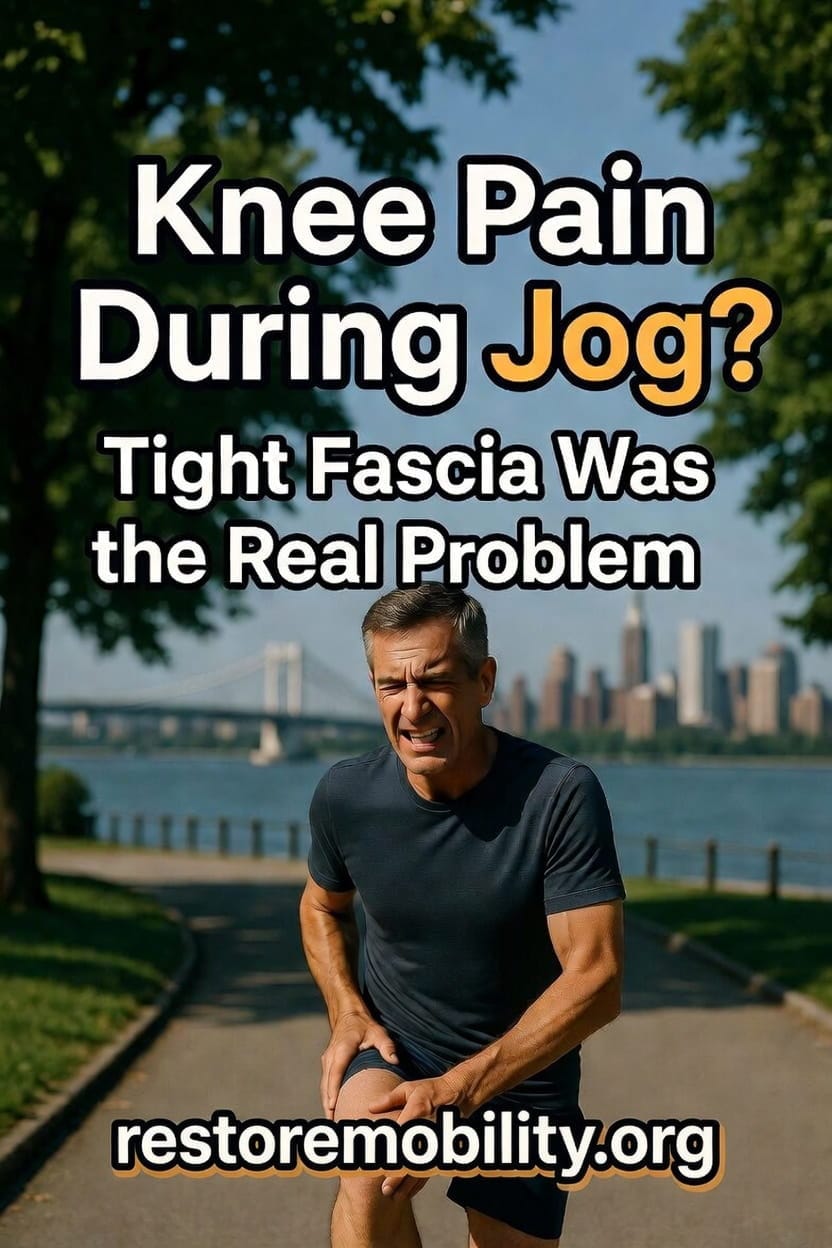
The Stretching Myth: Why a Bad Knee After Running Won’t Heal with Yoga
I did what everyone does. I hit the internet. I spent hours looking up "knee stretches" and "IT band release." I stretched my quads until they were numb. I foam-rolled my hamstrings until I wanted to scream. I even bought every compression sleeve and overpriced knee brace I could find on Amazon. And yet, every single time I went back to the park, the knee pain after running returned like a bad habit.
I finally stopped asking "what muscle did I pull?" and started looking for a different answer. I needed to know the actual tight fascia causes that were locking up my leg. That’s when I met an osteopath who finally talked to me like an engineer. She didn't look at my knee as an isolated joint; she looked at it as a component in a complex, interconnected mechanical system called the fascial web.
Understanding Tight Fascia Symptoms: More Than Just Muscle Soreness
If you’ve been struggling with a bad knee after running, you need to understand that fascia is the "plastic wrap" of the body. It’s a thin, incredibly strong connective tissue that wraps around every muscle, bone, and organ. When your fascia is healthy, it’s slippery and flexible. When it’s tight, it’s like wearing a wet suit that’s three sizes too small.
The tight fascia symptoms most people ignore are subtle until they become debilitating:
The "Static" Pain: Your knee feels fine when you start, but the knee hurts after running for more than 15 minutes because the fascia has lost its ability to slide.
Migrating Tightness: One day it’s your hip, the next day it’s your lower back, but it always ends with a bad knee after running.
The Morning Stiffness: Waking up feeling like your joints are made of rusted iron is a classic sign of fascial dehydration.
The Stress Response: Noticing that your knee pain after running gets ten times worse after a stressful week at work.
The Real Tight Fascia Causes: Stress, Digestion, and NYC Concrete
Why is this happening? As an engineer, I look for the root cause of friction. In New York, the tight fascia causes are everywhere.
Mechanical Compensation: We are a bunch of physical compensations from head to toe. Your body will sacrifice your knee alignment just to keep your eyes and ears perfectly horizontal. If your hips are tight from sitting at a desk all day, your fascia pulls on your knee to compensate. This is why do my knees ache when I run, even when the knee joint itself is technically "fine".
Visceral Tension: This blew my mind. Poor digestion and high stress create tension in the fascia surrounding your organs. Everything is connected. If you have heavy digestion, it’s like pulling a tablecloth—the corners (your knees) start to lift and tighten. This "fascia tension digestion stress" loop is why a "moron" at work can literally make your knee hurt by the time you hit the track.
Old Injuries & Myofascial Memory: I had an old LIA ligament tear from my martial arts training. Even after surgery, the fascia around the scar tissue stayed in a protective, locked pattern. This lingering myofascial pain after injury is why the pain never truly left, no matter how much I stretched the muscle.
Why Does My Knee Hurt When I Run? The Science of Sliding
When you run, your tissues need to slide over each other. If the fascia is "glued" together due to inflammation or dehydration, that sliding stops. The result? Friction. Inflammation. Pain. That is the fundamental answer to why does my knee hurt when i run.
Traditional chiropractic adjustments often fail here because they are too aggressive. If you hit the body, it fights back. Applying force to already irritated fascia just makes it lock up tighter to protect itself. You don't need force; you need a way to signal the nervous system to let go.
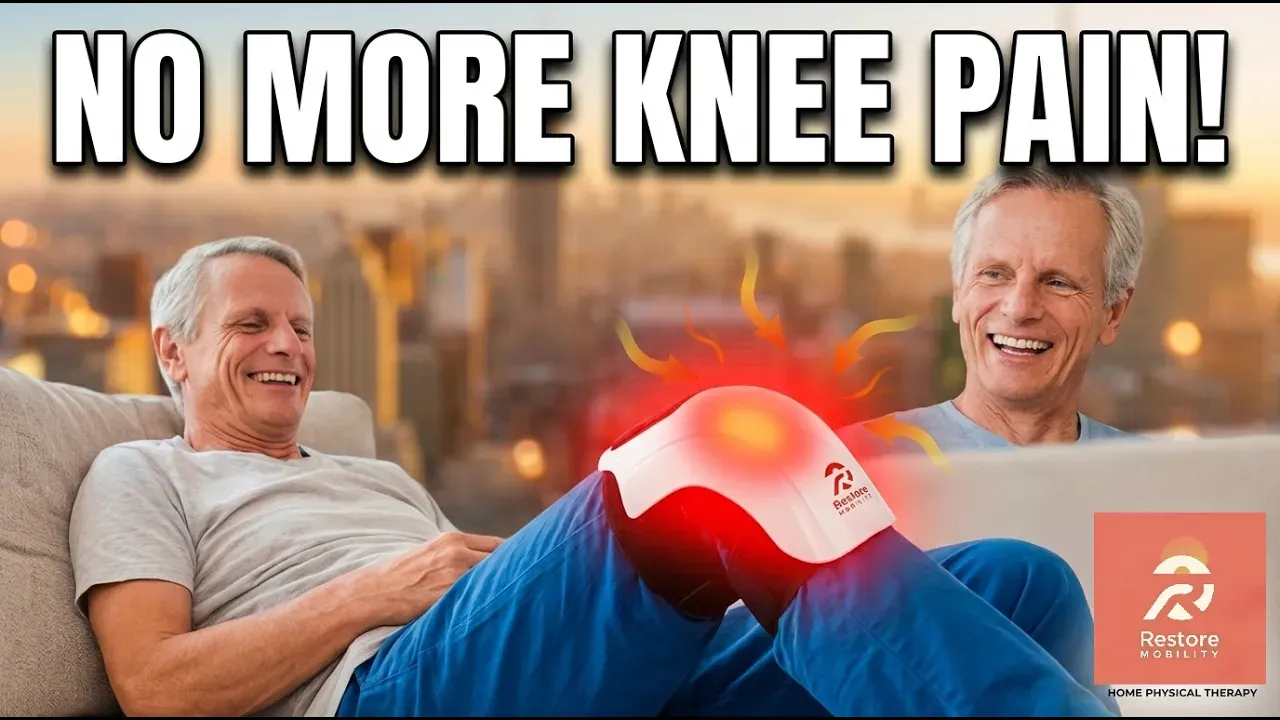
Fixing the Bad Knee After Running from My Couch in Queens
I realized I needed to stop fighting my body and start supporting it. I shifted away from aggressive stretching and started using targeted recovery tech designed to melt fascial tension without the trauma of deep-tissue bruising.
1. The Red Light Heating Massage Belt
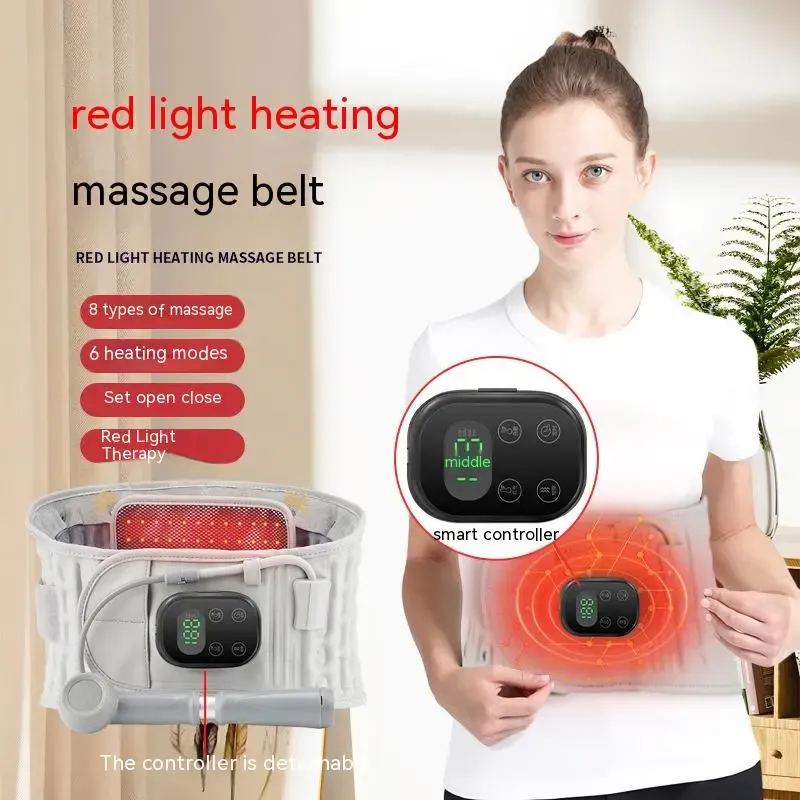
This was the primary game-changer. I don't just use it on my knee; I wrap it around my lower back and digestive area. Why? Because, as a health and wellness advisor, I know that releasing the "center of the tablecloth" (your core fascia) is the only way to stop the pull on your knees. The heat relaxes the web, and the red light therapy I tested (click to see more info) reduces deep-seated inflammation.
2. The Intelligent Knee Massager
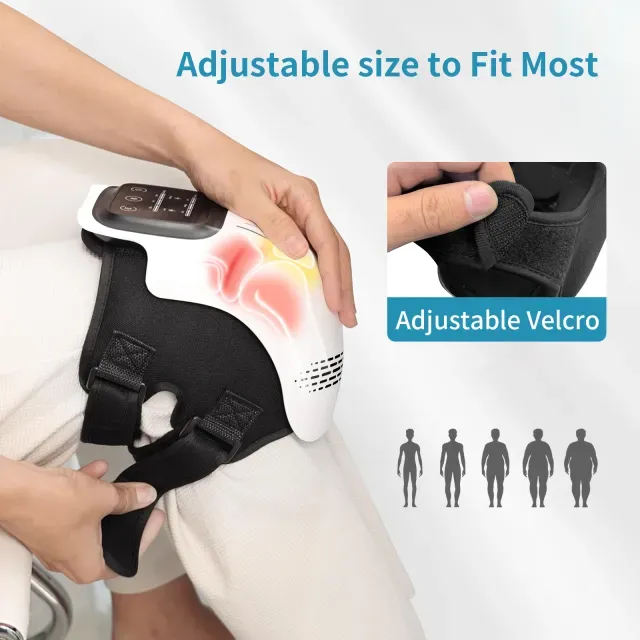
I use this knee massager device (click to see more about it) every day after my jog. It doesn't just pound the muscle; it uses air compression and heat to stimulate the mechanoreceptors in the fascia. It tells my brain, "Hey, we're safe, you can let go now." This has drastically reduced the knee hurts after running.
3. The Portable Red Light Pen
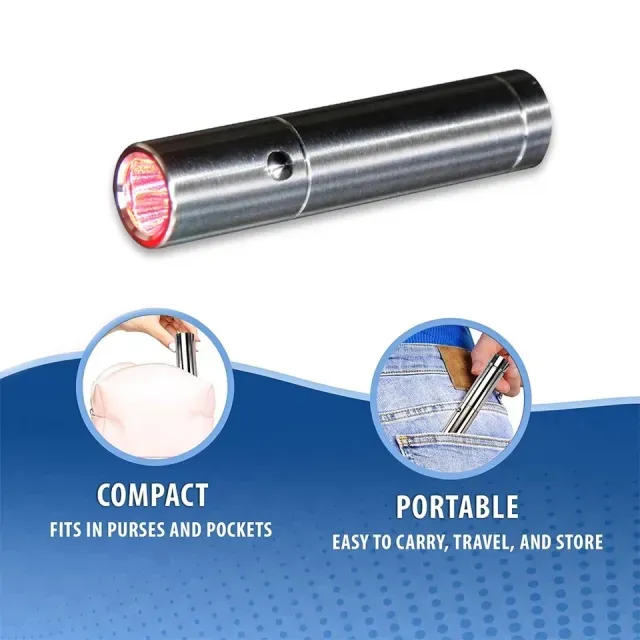
New York life doesn't always give you time to go home and lie down. I carry a portable red light therapy pen in my gym bag. If I’m sitting on a park bench and feel that familiar "twinge," I apply it directly to the tight spots for 8 minutes. It calms the myofascial pain after injury right where it starts.
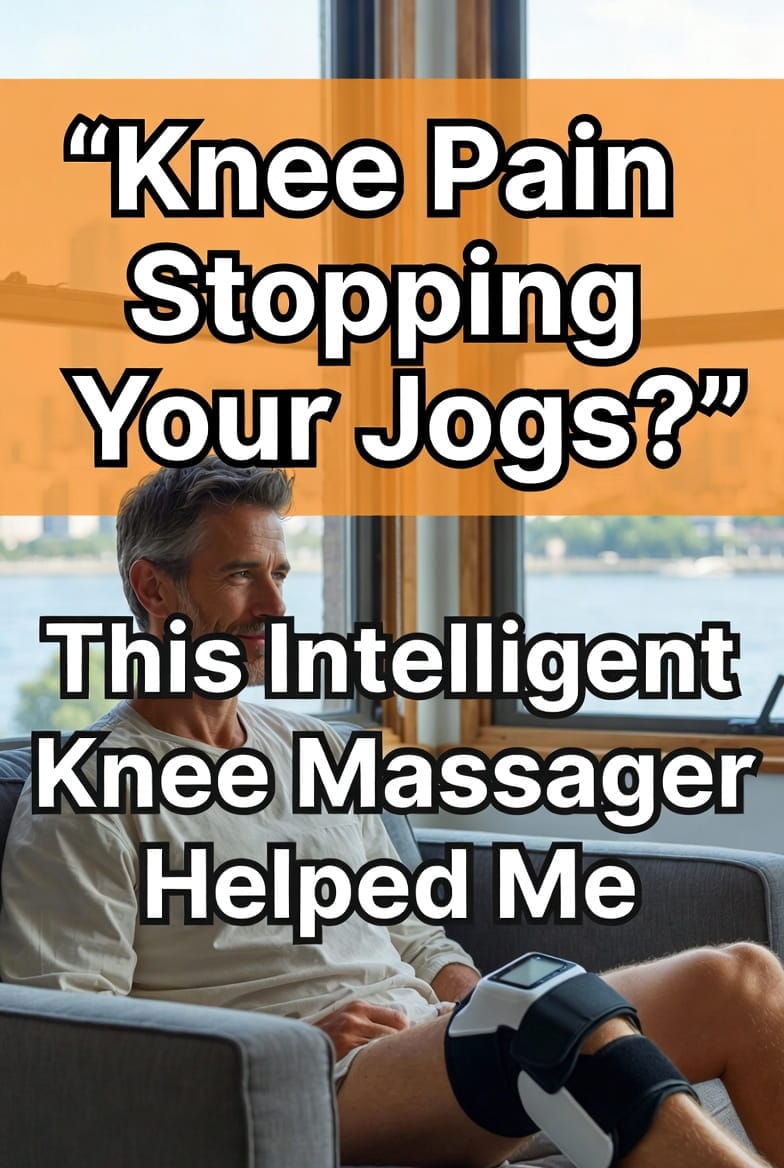
What This Means for Your Next Run
If you are still asking why do my knees ache when i run, it’s time to look past the bones and muscles. Look at the web. Look at your stress levels. Look at your old injuries.
You don't have to quit running. You just have to change how you recover. By addressing tight fascia symptoms with gentle, consistent heat and light therapy, you can restore the "slide" to your stride.
I’m an engineer, not a doctor. This isn't medical advice. If you’ve had major surgery or chronic joint failure, check with your physician. But if you’re like me—just a guy in Queens trying to stay active without feeling like a hundred-year-old man—it’s time to focus on your fascia.
For more guides on managing pain without professional intervention, explore our full library of at-home physical therapy resources.
Drop a comment below if you've been stuck in this loop. I read every single one because I’ve been in those same shoes, limping across the park. Let’s get you moving again, New York.
Master Your Cellular Health: Science & Consciousness
Achieving sustainable vitality requires a dual approach:
Understanding the technical science of your body’s metabolic processes
Aligning your conscious intent.
My research-based framework for systemic wellness is detailed in these two essential guides.
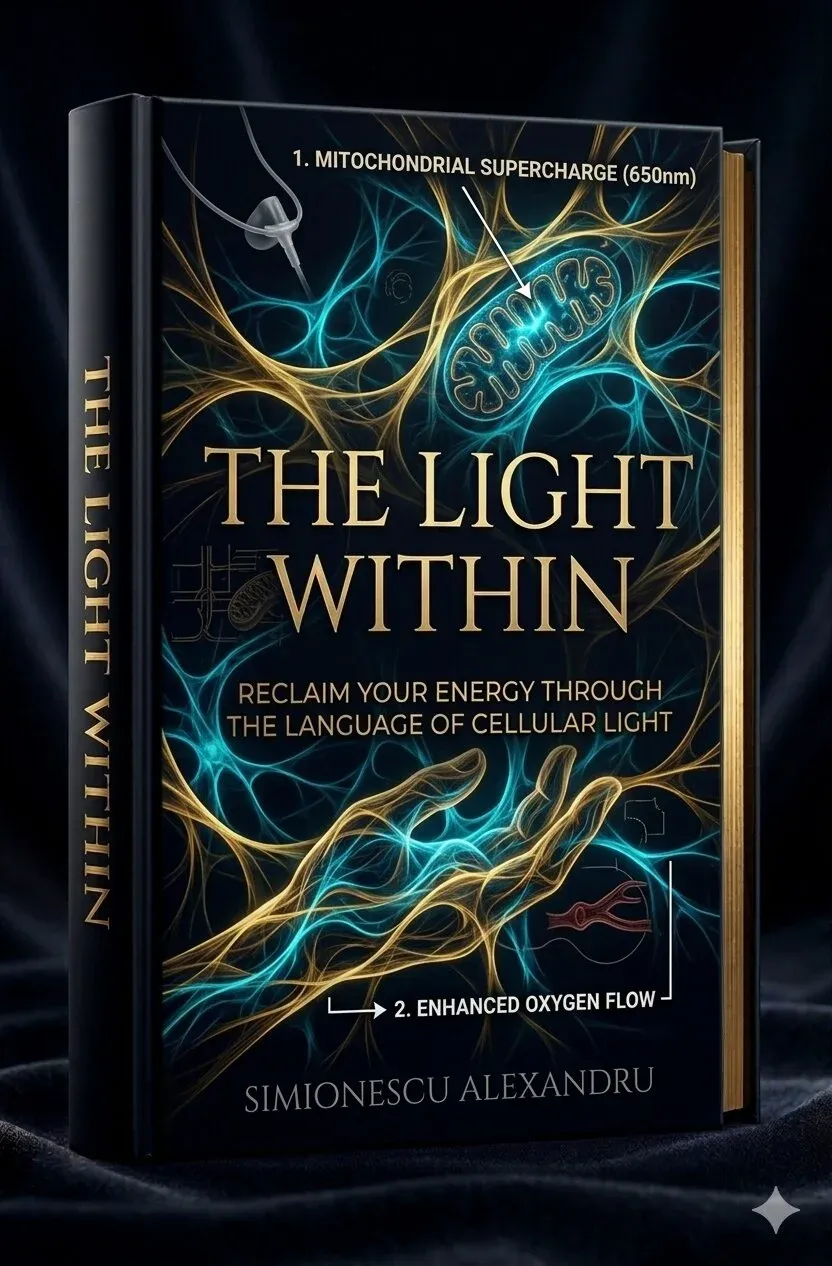
How Smart Health & Red Light Therapy Restore Your Energy & Balance
Protocol: Cellular & Metabolic Optimization

The Science of Enlightenment: Self-awareness and spiritual growth through science and timeless wisdom
Protocol: Mind-Body-Spirit Attunement
To see the tools I use to support this specific protocol, view my recommended recovery devices here.